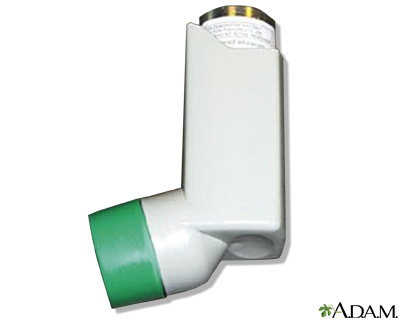
Nobody get all prescriptive versus descriptive linguistics on me, but I'm noting a bizarre thing lately. It may not be new, but there's this odd tendency for people to call decisions or acts that they disagree with that they think are clearly done to please somebody not them "politically correct."
There's a fair deal of politics in this post, but I swear it's about a pharmacy-related issue.
Political correctness, PC-ness or PC-ism is a term mostly associated with liberals and liberal thinking. The basic gist of PC-ness is the idea that you shouldn't offend people, but it extends beyond that; you shouldn't do things that might offend people. Furthermore, everything you do is potentially offensive to someone, no matter how mundane it seems to you. Taken to its extreme, PC-ness is "left-wing censorship." It is frequently assumed within the context of PC that white males are not really offended by anything, but that women, racial minorities, and religious minority groups are "sensitive" to "careless speech." Women in particular are used as an example, partly because some feminist groups really do go way too far, insisting that the word "human" is offensive because it contains the word "man" and that alternative terminology needs to be developed.
The idea of what is and is not offensive is highly affected by cultural and subcultural norms, so I'm not even going to go into that. You could write a book on the subject. I'm sure someone has.
What I'm going to take issue with is the use of the phrase PC being grossly misapplied and my understanding of why it happens. The most recent example of this that I've seen was when I, out of morbid curiosity, clicked a link to "saveCFCinhalers.org" (I'm not going to link them because I don't want to boost their google ranking).
Summary: CFCs, or chlorofluorocarbons, are compounds that have been used as aerosol propellants and refrigerants for roughly the past century. CFCs react with ozone in the upper atmosphere and catalyze its destruction. Because CFCs are a catalyst, they are not used up in the reaction, so a single CFC molecule may destroy a number of ozone molecules, converting them to oxygen. Ozone blocks ultraviolet radiation, specifically UVB rays. It is well-established that CFCs deplete ozone and that this will increase the amount of UVB rays that reach the earth's surface. CFCs were phased out of aerosol paints and other products during the last decade. 2008 was the last year that CFCs could be included in metered-dose inhalers (MDIs, or "puffers").
MDIs containing a different, non-CFC propellant (HFA inhalers) have been on the market since 1996. As of December 31st, 2008, CFC inhalers may no longer be sold and supplies have basically been exhausted anyway since nobody has been making them for a while. The most commonly used MDIs are albuterol "rescue inhalers" that expand the passageways in the lungs. This is a big deal drug--if you want to know what it's like to have an asthma attack, go get a straw. Put it in your mouth. Breathe only through the straw without opening your mouth wider or using your nose.
Anyway, the old inhalers have been replaced with environmentally-friendly versions. Same drug, same dose, same efficacy. Some people are throwing a fit about this.
There are a few big complaints.
1. The HFA inhalers cost a little more. The old albuterol generic was about $25, less if insurance picked up part of the tab. The new inhalers are about $35-40 and insurance pays less since they're generally "brand name" products now. The whole insurance payment thing might change soon if enough people complain about it.
2. The HFA inhalers don't "feel" the same when sprayed--they're a bit less "forceful," which leads people to think that they don't work.
3. The propellant contains a very tiny amount of ethanol, which might leave a bad taste in the user's mouth. It is not enough to get you drunk by any stretch of the imagination.
The websites railing against HFA inhalers are full of comments that basically tell the same story. My inhaler doesn't work anymore. My daughter changed to an HFA inhaler and she died of an asthma attack a few months later. I changed to an HFA inhaler and now I have a huge long list of health problems I didn't have before. The government and the FDA are ripping us off and lying about the safety and efficacy of HFA inhalers. Here's a list of doctors that don't believe the HFA inhalers work as well. The American Lung Association is full of shit. Etc. I actually got into an "argument" of sorts with a coworker over this one day--not someone that works in the pharmacy. He was convinced that albuterol had been taken off the market completely and that you simply couldn't get it anymore, and when I informed him otherwise he seemed incredulous--but I didn't get an opportunity to talk to him about it further.
The comment that piqued my interest (and inspired this entry) was the complaint that CFCs had been removed from inhalers to "be politically correct."
I don't know exactly what train of thought the commentor used to get to that point, but here's how I see it. Before anyone accuses me of straw-manning anybody, I'm quoting statements made by my incensed coworker. While his thoughts may not be echoed by everyone who opposes this particular bit of regulation, this is the only dialogue I've had with someone who had a problem with the banning of CFCs on principle rather than because of some specific complaint (such as the new inhalers costing more).
1. Some people ("environmentalists") think that CFCs damage the ozone layer.
2. People who want to be "environmentally-friendly" by using CFC-free products should have the right to buy them; let the market decide.
3. I'm not convinced that CFCs damage the ozone layer.
4. Not letting me choose which product to buy is an unfair limitation of my personal freedom.
5. Therefore, a CFC ban limits my personal freedom.
This train of thought hinges on one particular premise, which, again, lest you think I'm constructing a straw man, was basically the crux of my coworker's entire argument: I'm not convinced that CFCs damage the ozone layer.
Let's go with the "free market" approach. In order to make an informed decision about which product is best, you have to understand several things. First, you have to know what the ozone layer is. Second, you have to know that CFCs damage the ozone layer. Third, you have to know the consequences of damaging the ozone layer. Once you have all of that information, you can make a choice: Do I care whether or not the ozone layer is damaged by the products that I use?
Here's the problem. This isn't a personal choice that's (primarily) going to affect only you, like what color to paint your shutters or whether or not to snort cocaine. Your decision is going to affect everyone living on the Earth for at least the next 50 years, which is how long an individual CFC molecule can remain in the atmosphere destroying ozone molecules. You are contributing to an increase in UVB radiation reaching the planet's surface during your lifetime, much of your children's lifetime, and at least part of their children's lifetime. You are increasing the risk of skin cancer for everyone alive now and everyone who will be born over the next several decades.
Frankly, I don't think you should be allowed to make that decision any more than you should be allowed to shoot me and take my wallet or dump sewage on my property, and the fact that you're too short-sighted to see the consequences of your actions shouldn't affect my personal health. I have rights too, you know.
(Incidentally, to preempt the slippery slope, I don't favor smoking bans because if second-hand smoke bothers you, don't go where people are smoking. If the owner of a particular piece of property opts to ban smoking for the comfort of their non-smoking patrons, that's their call, but nobody should be able to tell you you can't smoke outside or in your own car--though exposing your kids to second-hand smoke is certainly irresponsible and I have mixed feelings about it.)
What does any of this have to do with PC-ness?
Well, PC-ness is about not offending people. One of the things that I've heard said several times, more by conservatives than by liberals, is that "you don't have a right to never be offended," and I agree. Sometimes, people are going to do or say offensive things, and unless they're hurting you or there's a specific rule against whatever they're doing (sexual harassment at work, for example), you just have to get over it and move on. That doesn't mean you have to like it, and you can certainly say you don't like it, because criticism is not the same thing as censorship. Plus, some things are just socially unacceptable within a specific culture because enough people have decided that they don't like thing X that doing or saying thing X will get you publically ostracized (being openly racist in many circles in the US is a good example).
At this point, environmentalists become a minority group identified by a set of opinions or beliefs. If you don't accept the whole CFC-ozone layer thing, you might call it an "environmentalist belief," which puts it on par with any other faith-based assumption that you don't share. At that point, the government banning CFCs does seem like a "PC thing." They're doing it to appease some minority's feelings.
Which means that you're treating the CFC-ozone "belief" kind of like the beliefs of religious groups that are not your own. It's like if the government banned pork products because Muslims consider them unclean. You don't care what Muslims believe if you aren't one. Why should the "belief" of a minority group infringe upon the rights of the majority? Stupid political correctness!
This is why calling something PC in this context is just an empty smear--we're not talking about offending people here. We're talking about reducing the risk of skin cancer for human beings all over the world. There is a concrete reason for banning CFCs that has nothing to do with anyone's feelings. The EPA, NASA, National Weather Service and National Oceanic and Atmospheric Administration all concur. So do independent researchers at Manchester Metropolitan University in the UK and scientists from Germany, Belgium, Denmark, Norway, Spain, Switzerland, Finland, Canada, and Greece. Some very compelling evidence would be necessary to invalidate current theories.
Here's the part of all this that I don't entirely comprehend. Conservatives are generally very black-and-white--things are true, or they aren't. They pride themselves on being practical thinkers and denounce liberals as naïve idealists. The reason I think that this is funny is because calling evidence-based environmentally-friendly legislature "PC" is essentially invoking a kind of relativism. "You and I believe different things. Neither one of us can produce proof that will convince the other, so let's just agree to disagree." Except that you can't do that, because whether or not CFCs affect the ozone layer (for example) isn't a matter of opinion. It's either true or it isn't. And if we're talking about laws, something is either a law or it isn't; we have to decide. To "agree to disagree" in that context is to suggest shutting down dialogue on the subject--therefore, nothing is changed and the conservative viewpoint "wins" by default.
Inappropriate use of relativism regarding what is valid knowledge--which I see on both the far left and far right--is actually an interesting enough topic to warrant its own post, and I might have to make one later.
So. Here's the tl;dr summary: You can't criticize someone for being "PC" when what they're doing is not about avoiding offending people but about responding to objective, measurable conditions. This is true even if you think that the thing being done is intended to appeal to a "minority group" because you don't care about the issue at hand. Using the phrase PC doesn't make a damned bit of sense--but as with all language, you're free to use the phrase to mean whatever you want. You just shouldn't expect your listener to interpret what you're saying properly.
Showing posts with label science. Show all posts
Showing posts with label science. Show all posts
Wednesday, January 14, 2009

Friday, November 7, 2008
Stop RFK Jr.
Robert F. Kennedy, Jr. is on the current list of potential appointees for President-elect Obama's cabinet. While RFK Jr. has had a very successful political career, the positions for which he's being considered are the EPA or the Department of the Interior.
This cannot be permitted to happen. Why? Because he's a total crank when it comes to science. He believes the vaccine/autism link is plausible and has praised antivaccination movement leader Dan Olmsted--who has continually pushed junk science disproven years ago. He blamed Katrina on global warming (errr) and has opposed the building of wind turbines near Martha's Vineyard on because "it would damage the view" despite the project having support from many other environmentalists. He's got a track record of politicizing science to serve his own needs--and that's bad for reasons that should be obvious.
You can contact the Obama transition team and let them know how you feel about this. Not sure what to say? Consider Mark Hoofnagle's letter as an example:
RFK Jr. must NOT be appointed as head of the EPA. He is NOT a scientist. He does NOT understand science. He does NOT respect science. He is, in fact, a crank, who believes in pseudoscientific nonsense like vaccines causing autism. And when people are cranky and unscientific in one area of belief, it is never restricted to just that area. It reflects a fundamental misunderstanding of science and an incompetence in evaluating the quality of data and scientific information. This is not remotely a partisan letter, this is a plea for your administration not to make a horrible error.
This is a BAD choice. Do not do this or you will alienate scientists from your campaign very early on, not to mention doctors and especially pediatricians. This man is a crackpot, and I simply can not condone his presence anywhere in government.
This cannot be permitted to happen. Why? Because he's a total crank when it comes to science. He believes the vaccine/autism link is plausible and has praised antivaccination movement leader Dan Olmsted--who has continually pushed junk science disproven years ago. He blamed Katrina on global warming (errr) and has opposed the building of wind turbines near Martha's Vineyard on because "it would damage the view" despite the project having support from many other environmentalists. He's got a track record of politicizing science to serve his own needs--and that's bad for reasons that should be obvious.
You can contact the Obama transition team and let them know how you feel about this. Not sure what to say? Consider Mark Hoofnagle's letter as an example:
RFK Jr. must NOT be appointed as head of the EPA. He is NOT a scientist. He does NOT understand science. He does NOT respect science. He is, in fact, a crank, who believes in pseudoscientific nonsense like vaccines causing autism. And when people are cranky and unscientific in one area of belief, it is never restricted to just that area. It reflects a fundamental misunderstanding of science and an incompetence in evaluating the quality of data and scientific information. This is not remotely a partisan letter, this is a plea for your administration not to make a horrible error.
This is a BAD choice. Do not do this or you will alienate scientists from your campaign very early on, not to mention doctors and especially pediatricians. This man is a crackpot, and I simply can not condone his presence anywhere in government.
Tuesday, October 28, 2008
A Tenuous "Alli"ance
It appears that GlaxoSmithKline has recieved approval to market Alli overseas to our European cousins.
You hear that? An FDA-approved weight-loss supplement! It's a miracle!
Alli was actually released to US markets last summer as one of the more unusual Rx-to-OTC product conversions that we've seen recently. Popular once prescription-only Zyrtec I expected, but Alli was really out of left field. I actually meant to blog about Alli when it was released, but somehow it got away from me. Now I can do so to commemorate its release across the pond.
What is Alli? Alli contains the same active ingredient as a prescription drug that was developed by the Swiss company Roche Pharmaceuticals--the generic name for it is orlistat. It is the first over-the-counter drug approved as a weight loss aid by the FDA, mostly because there's good clinical data that it's actually effective when used properly.
OTC "diet pills" generally contain high doses of stimulants/caffeine, claim to suppress appetite, or somehow purport to "melt fat" or "block calories." Some stimulant weight-loss supplements contain as much caffeine per capsule as three cups of coffee and have "serving sizes" of two or three caps at a time! Clever wording is usually employed to conceal the simplistic nature of these products--Zantrex-3 refers to its caffeine content as "a proprietary xanthine-based stimulant." Caffeine is part of a chemical family called methylxanthines. Other times numerous herbal ingredients or Latin names for botanicals obscure the true content of the supplements except to the most attentive consumers.
Alli, true to its claims, is different. How does it work?
First, a bit of basic biochemistry. There are three major "macronutrients" required for human nutrition--carbohydrates (sugars), lipids (fats), and proteins. All of these are absorbed through the intestine whenever you eat. Macronutrients are then delivered to the liver or various cells of the body that can use them. Carbohydrates are easy; the body breaks them down into smaller units and uses them to produce ATP, a small molecule that is the primary source of energy for the body at the cellular level.
Proteins and fats cannot be used directly by most cells. Instead, the liver processes them into more readily useful forms. Some proteins can be converted into glucose, the most basic (and preferred) form of fuel for body systems, especially neurons. Fat metabolism is more complicated and involves many steps that ultimately culminate in the release of free fatty acids; these are also usable as fuel by many body systems.
If you eat too much of anything, be it proteins, carbohydrates, or fats, the body is remarkably efficient at storing the excess energy produced. The most energy-dense form of stored energy is fat; fats produce the most energy (in calories) per gram. This fat winds up getting stored throughout the body as a reserve for times when food sources are scarce. Each pound of fat on your body represents a total stored reserve of 3,500 calories. Yum!
I've heard it mistakenly stated that you "can't get fat" eating a high-protein diet because "carbs make you fat" or, more obviously, "fat makes you fat," but this is completely false. Your body can (and will) make fat out of anything the liver can get its...um...lobes on.
What does this have to do with Alli?
Alli is not actually absorbed into the bloodstream. Instead, it floats around in the intestines and binds to fat molecules, preventing those from being absorbed. If your body doesn't absorb the fat molecules, it can't process them--in a sense, it's like you never ate them in the first place. Alli binds an average of 25% of consumed dietary fats, potentially reducing caloric intake from a fatty meal significantly.
Problem: Alli is not magic. It cannot break the laws of physics and destroy matter (and I suspect converting fats to energy in your intestine would have odd effects, were it possible). If you don't absorb the fats, they still have to go somewhere. Since they're already 3/4 of the way through your digestive tract, and getting the whole system to flow in reverse is both very unpleasant and very difficult, I'll let you think about it on your own for a second.
A funny aside: The makers of Alli recommend that you not wear light-colored pants while taking it.
I personally like to think of Alli as "negative reinforcement." Operant conditioning is basic psychology. Continuously eat fatty meals on Alli and you're going to suffer chronically oily stools. You're either going to learn to control your dietary fat intake or you're going to throw away your Alli.
This isn't to say that Alli is bad. As part of a comprehensive diet and exercise plan, it will help you lose more weight, even if it's only a few extra pounds. But the reason Alli can get FDA approval, aside from the fact that it's been subjected to more rigorous clinical trials, is that Alli doesn't claim to be magic. "Eat all you want and still lose weight!" "Melt fat away while you sleep!" Due to loose regulations, dietary supplement manufacturers make these kinds of claims all the time. But the makers of Alli had to be realistic about the potential benefits of their drug to get it approved. This isn't a bad thing. It's what we should expect from all drug and supplement manufacturers--indeed, it's what should be legally required.
Anyway. Now Europeans can experience the thrill of Alli without a doctor's prescription!
...just remember to wear dark pants.
This means the product will now be proposed for final approval by the European Commission and marketing authorisation could be granted in the coming months. On licence grant, orlistat 60 mg would be the first licensed weight loss aid available without prescription throughout Europe.
You hear that? An FDA-approved weight-loss supplement! It's a miracle!
Alli was actually released to US markets last summer as one of the more unusual Rx-to-OTC product conversions that we've seen recently. Popular once prescription-only Zyrtec I expected, but Alli was really out of left field. I actually meant to blog about Alli when it was released, but somehow it got away from me. Now I can do so to commemorate its release across the pond.
What is Alli? Alli contains the same active ingredient as a prescription drug that was developed by the Swiss company Roche Pharmaceuticals--the generic name for it is orlistat. It is the first over-the-counter drug approved as a weight loss aid by the FDA, mostly because there's good clinical data that it's actually effective when used properly.
OTC "diet pills" generally contain high doses of stimulants/caffeine, claim to suppress appetite, or somehow purport to "melt fat" or "block calories." Some stimulant weight-loss supplements contain as much caffeine per capsule as three cups of coffee and have "serving sizes" of two or three caps at a time! Clever wording is usually employed to conceal the simplistic nature of these products--Zantrex-3 refers to its caffeine content as "a proprietary xanthine-based stimulant." Caffeine is part of a chemical family called methylxanthines. Other times numerous herbal ingredients or Latin names for botanicals obscure the true content of the supplements except to the most attentive consumers.
Alli, true to its claims, is different. How does it work?
First, a bit of basic biochemistry. There are three major "macronutrients" required for human nutrition--carbohydrates (sugars), lipids (fats), and proteins. All of these are absorbed through the intestine whenever you eat. Macronutrients are then delivered to the liver or various cells of the body that can use them. Carbohydrates are easy; the body breaks them down into smaller units and uses them to produce ATP, a small molecule that is the primary source of energy for the body at the cellular level.
Proteins and fats cannot be used directly by most cells. Instead, the liver processes them into more readily useful forms. Some proteins can be converted into glucose, the most basic (and preferred) form of fuel for body systems, especially neurons. Fat metabolism is more complicated and involves many steps that ultimately culminate in the release of free fatty acids; these are also usable as fuel by many body systems.
If you eat too much of anything, be it proteins, carbohydrates, or fats, the body is remarkably efficient at storing the excess energy produced. The most energy-dense form of stored energy is fat; fats produce the most energy (in calories) per gram. This fat winds up getting stored throughout the body as a reserve for times when food sources are scarce. Each pound of fat on your body represents a total stored reserve of 3,500 calories. Yum!
I've heard it mistakenly stated that you "can't get fat" eating a high-protein diet because "carbs make you fat" or, more obviously, "fat makes you fat," but this is completely false. Your body can (and will) make fat out of anything the liver can get its...um...lobes on.
What does this have to do with Alli?
Alli is not actually absorbed into the bloodstream. Instead, it floats around in the intestines and binds to fat molecules, preventing those from being absorbed. If your body doesn't absorb the fat molecules, it can't process them--in a sense, it's like you never ate them in the first place. Alli binds an average of 25% of consumed dietary fats, potentially reducing caloric intake from a fatty meal significantly.
Problem: Alli is not magic. It cannot break the laws of physics and destroy matter (and I suspect converting fats to energy in your intestine would have odd effects, were it possible). If you don't absorb the fats, they still have to go somewhere. Since they're already 3/4 of the way through your digestive tract, and getting the whole system to flow in reverse is both very unpleasant and very difficult, I'll let you think about it on your own for a second.
A funny aside: The makers of Alli recommend that you not wear light-colored pants while taking it.
I personally like to think of Alli as "negative reinforcement." Operant conditioning is basic psychology. Continuously eat fatty meals on Alli and you're going to suffer chronically oily stools. You're either going to learn to control your dietary fat intake or you're going to throw away your Alli.
This isn't to say that Alli is bad. As part of a comprehensive diet and exercise plan, it will help you lose more weight, even if it's only a few extra pounds. But the reason Alli can get FDA approval, aside from the fact that it's been subjected to more rigorous clinical trials, is that Alli doesn't claim to be magic. "Eat all you want and still lose weight!" "Melt fat away while you sleep!" Due to loose regulations, dietary supplement manufacturers make these kinds of claims all the time. But the makers of Alli had to be realistic about the potential benefits of their drug to get it approved. This isn't a bad thing. It's what we should expect from all drug and supplement manufacturers--indeed, it's what should be legally required.
Anyway. Now Europeans can experience the thrill of Alli without a doctor's prescription!
...just remember to wear dark pants.
Wednesday, October 1, 2008
Student Finds Classical Reporting on "Holistic" Medicine Still Lacking Critical Rigor
The rise of "alternative medicine," if you can claim that it has risen at all, has mostly been due to word of mouth and unwarranted exposure by an uncritical press. Seeing as how CAM itself never actually changes, it should be no surprise to anyone that neither does reporting on it. We hear the same fallacies, the same appeals to authority and tradition, and the same overweighting of anecdotal evidence over and over again.
So I wasn't even a little shocked at this typical article on the common cold.
I'm not even entirely sure where to begin. "Holistically-minded doctors?" What does that even mean? Proponents are going to spout some gibberish about doctors that "treat the whole person, not just their symptoms," but let's see what these doctors recommend to "treat the whole person."
Let's start with Dr. David Rakel, MD.
Hey, cool, he's actually concerned with whether or not there's evidence for the stuff he suggests!
That's why when it comes to his own health he takes a shotgun approach and tries everything that has ever been suggested for treating the common cold. Vitamin C, zinc, green tea (antioxidants), and "Indian echinacea," which must be better than "Western echinacea."
At least Dr. Rakel gets an annual flu shot, but he bemoans the presence of thimerosal in flu shots. I guess the fact that thimerosal-free flu shots is not important to him, or maybe he just thinks the CDC has it all wrong.
Strike one, MD's out. Who's next? Lynne Shinto, ND. You can probably guess where this is going.
Go Lynne! You strengthen that immune system! Is that the humoral or cellularly-mediated immune system? What do you mean you don't know? You're just sure it works? Well, as long as you're treating the real cause of disease instead of just addressing symptoms, like a good holistic doctor.
Oops. I guess not. So you fail at both science and pseudoscience.
This is a fantastically plausible treatment for nasal congestion. Maybe the alternating peripheral vasoconstriction and vasodilation...no, this really is so implausible as to not warrant investigation.
What about another MD's perspective? Surely a second opinion is worthwhile. Dr. Kevin Barrows?
That's great, doc. I'm glad that you can recognize one of the most common symptoms of the common cold as...indicative of the common cold. But he didn't learn that in medical school. No, he figured it out through meditation! Once he determines that his chakras--er, his throat hurts--he knows it's time to start taking echinacea, the herb that a Cochrane review states "shows inconsistent benefit."
I know that whenever I have a problem, I'm willing to rush out and spend money on things that "might work."
Outside of a mental health context, I know that if I ever had a doctor who suggested "meditation" as a serious method for identifying or treating any illness I'd pull up my pants and walk out the door. Three doctors I'd never want to visit--assuming that their beliefs are being accurately portrayed in this article. Well, what about Dr. David Leopold, our fourth contestant?
Just what I need, a doctor who flunked both statistics and immunology. No thanks.
The thing is, I'm not entirely sure that the blame is entirely on the doctors being quoted here. Now, granted, I don't think that their words (or positions) are being fabricated; I'm sure that, when interviewed about their "holistic medicine" use, all of these doctors (and the naturopath) volunteered honest information.
But here's the problem. This "sound-bite medicine" doesn't actually leave room for--or invite--serious discussion of anything beyond "some doctor said you should try this." And, in the interest of "unbiased journalism," the reporter behind this story didn't bother to fact-check any of the claims made by the doctors. After all, they're just harmless claims; the article isn't about "what is good medicine" but rather opts to provide some opinions by licensed medical practitioners.
Unfortunately, this approach is seriously misguided. Most people think of physicians of all stripes as having a good, solid understanding of medicine, and this implicit trust that doctors know what they're talking about is crucial. If patients think doctors are idiots, why would they ever solicit one for an opinion? The drawback to this is that off-the-cuff "opinions" about vitamin C, echinacea, or other various treatments that don't stand up as effective under serious scrutiny reinforce the misconception that these treatments actually work. Just try telling a patient whose doctor takes vitamin C that vitamin C doesn't treat or prevent colds. "If it doesn't work, why does my doctor do it?" What surprised me about this article is that it didn't even contain the "token skeptic" interview, but then, the article is subtitled "what alternative medicine experts do when they get sick."
Physicians who succumb to non-evidence-based thinking do more than harm themselves. They drag down patients with them, even patients they'll never meet, because their endorsement of unproven remedies assures that these treatments will never die out despite the immense evidence against their efficacy. As long as there are doctors promoting these remedies, no amount of double-blinded, well-controlled, properly randomized research is going to convince the public that they aren't effective--because their doctors, expected to be the gatekeepers of knowledge, are ignoring it.
So I wasn't even a little shocked at this typical article on the common cold.
ABCNews.com asked four holistically minded doctors what they do when they feel under the weather. Their prevention and treatment advice might help you dodge or short-circuit the next bug that comes your way.
I'm not even entirely sure where to begin. "Holistically-minded doctors?" What does that even mean? Proponents are going to spout some gibberish about doctors that "treat the whole person, not just their symptoms," but let's see what these doctors recommend to "treat the whole person."
Let's start with Dr. David Rakel, MD.
There's no firm evidence that any medication or herb will prevent the common cold, said Rakel.
Hey, cool, he's actually concerned with whether or not there's evidence for the stuff he suggests!
At the first sign of symptoms, the goal is to attack the virus early because it replicates the most within the first 48 hours, pointed out Rakel. He might drink more green tea, which appears to have antiviral and antibacterial properties. And he would also drink three big glasses of orange juice to get more vitamin C...
...besides consuming more liquids, Rakel might take 20 to 30 milligrams of zinc acetate lozenges twice a day to improve his immunity. He takes zinc only for the first two or three days of a cold, when he feels it's most effective. He might add andrographis, an herb that's sometimes called "Indian echinacea." He would take 400 milligrams of this immune-stimulating herb three times a day.
That's why when it comes to his own health he takes a shotgun approach and tries everything that has ever been suggested for treating the common cold. Vitamin C, zinc, green tea (antioxidants), and "Indian echinacea," which must be better than "Western echinacea."
At least Dr. Rakel gets an annual flu shot, but he bemoans the presence of thimerosal in flu shots. I guess the fact that thimerosal-free flu shots is not important to him, or maybe he just thinks the CDC has it all wrong.
Strike one, MD's out. Who's next? Lynne Shinto, ND. You can probably guess where this is going.
She says she thinks that too much sugar can weaken immunity...when she gets a cold, her philosophy is to let it run its course. She'll turn to the usual suspects: bed rest, more fluids and chicken soup -- or because she's Japanese-American -- miso soup with shiitake mushrooms, fungi known for their immune-strengthening compounds.
Go Lynne! You strengthen that immune system! Is that the humoral or cellularly-mediated immune system? What do you mean you don't know? You're just sure it works? Well, as long as you're treating the real cause of disease instead of just addressing symptoms, like a good holistic doctor.
These approaches may make the symptoms feel better, she admits, but they likely won't make a cold go away faster.
Oops. I guess not. So you fail at both science and pseudoscience.
If Shinto's sinuses are congested, she turns to an "old naturopathic therapy" thought to stimulate the immune system. Called hydrotherapy, she might stick her bare feet in hot water for three minutes then in ice-cold water for 30 seconds, and she repeats this hot-cold sequence three times.
This is a fantastically plausible treatment for nasal congestion. Maybe the alternating peripheral vasoconstriction and vasodilation...no, this really is so implausible as to not warrant investigation.
What about another MD's perspective? Surely a second opinion is worthwhile. Dr. Kevin Barrows?
He's a big believer in meditation and has found this mind-body approach helps increase his awareness of subtle body shifts, a tip-off that he may be getting sick. For him, a sore throat is his early warning sign of a cold, his cue to start taking echinacea.
That's great, doc. I'm glad that you can recognize one of the most common symptoms of the common cold as...indicative of the common cold. But he didn't learn that in medical school. No, he figured it out through meditation! Once he determines that his chakras--er, his throat hurts--he knows it's time to start taking echinacea, the herb that a Cochrane review states "shows inconsistent benefit."
Sixteen trials including a total of 22 comparisons of Echinacea preparations and a control group (19 placebo, 2 no treatment, 1 another herbal preparation) met the inclusion criteria. All trials except one were double-blinded. The majority had reasonable to good methodological quality. Three comparisons investigated prevention; 19 comparisons investigated treatment of colds. A variety of different Echinacea preparations were used...
...there is some evidence that preparations based on the aerial parts of E. purpurea might be effective for the early treatment of colds in adults but the results are not fully consistent.
I know that whenever I have a problem, I'm willing to rush out and spend money on things that "might work."
Outside of a mental health context, I know that if I ever had a doctor who suggested "meditation" as a serious method for identifying or treating any illness I'd pull up my pants and walk out the door. Three doctors I'd never want to visit--assuming that their beliefs are being accurately portrayed in this article. Well, what about Dr. David Leopold, our fourth contestant?
At the first sign of a cold, Leopold treats his symptoms extremely aggressively. His goal is to support his immune system so that it helps clear the virus and slows down the spread of symptoms.
He takes zinc gluconate lozenges, drinks plenty of herbal tea and also uses a liquid tincture of echinacea. Despite research that questioned the herbs' benefits, "I'm convinced that most of the well-done studies of echinacea suggest it seems to be effective for reducing the severity and duration of a cold."
Just what I need, a doctor who flunked both statistics and immunology. No thanks.
The thing is, I'm not entirely sure that the blame is entirely on the doctors being quoted here. Now, granted, I don't think that their words (or positions) are being fabricated; I'm sure that, when interviewed about their "holistic medicine" use, all of these doctors (and the naturopath) volunteered honest information.
But here's the problem. This "sound-bite medicine" doesn't actually leave room for--or invite--serious discussion of anything beyond "some doctor said you should try this." And, in the interest of "unbiased journalism," the reporter behind this story didn't bother to fact-check any of the claims made by the doctors. After all, they're just harmless claims; the article isn't about "what is good medicine" but rather opts to provide some opinions by licensed medical practitioners.
Unfortunately, this approach is seriously misguided. Most people think of physicians of all stripes as having a good, solid understanding of medicine, and this implicit trust that doctors know what they're talking about is crucial. If patients think doctors are idiots, why would they ever solicit one for an opinion? The drawback to this is that off-the-cuff "opinions" about vitamin C, echinacea, or other various treatments that don't stand up as effective under serious scrutiny reinforce the misconception that these treatments actually work. Just try telling a patient whose doctor takes vitamin C that vitamin C doesn't treat or prevent colds. "If it doesn't work, why does my doctor do it?" What surprised me about this article is that it didn't even contain the "token skeptic" interview, but then, the article is subtitled "what alternative medicine experts do when they get sick."
Physicians who succumb to non-evidence-based thinking do more than harm themselves. They drag down patients with them, even patients they'll never meet, because their endorsement of unproven remedies assures that these treatments will never die out despite the immense evidence against their efficacy. As long as there are doctors promoting these remedies, no amount of double-blinded, well-controlled, properly randomized research is going to convince the public that they aren't effective--because their doctors, expected to be the gatekeepers of knowledge, are ignoring it.
Friday, September 26, 2008
But Doctor, I NEED Antibiotics!
How often do you go to the doctor? What prompts you to seek care?
For many people, the answer to that question is "at least once a year" and the reason is upper respiratory tract infection (URTI). Because of the amount of time and effort involved in isolating precisely what is causing an upper respiratory tract infection, doctors quite frequently prescribe unneeded antibiotics:
It is a well-established fact that a huge percentage of antibiotic prescriptions are dispensed for conditions where they will have no effect, such as the common cold, simply because doctors feel that they have some obligation to write patients a prescription--or because the patients pressure the doctor and insist that they need an antibiotic.
But statistics released in this month's Pharmacist's Letter make the issue very clear. Overtreating with antibiotics does more harm than good.
Now, as always, I encourage readers who believe that they might be suffering from any illness to consult their physicians. But think about those numbers for a second. There's only a 0.025% chance that it's going to do you any good to beg your doctor for an antibiotic prescription. The odds that you will wind up in the ER because of a bad antibiotic reaction are higher than the odds that the antibiotic is going to do you any good.
This does not mean that you should avoid antibiotics at all costs, believing that the risks always outweigh the benefits, because that is patently untrue. Keep in mind that these numbers only pertain to (generally non life-threatening) respiratory infections. What this really mean is that you should ask your doctor to be straight with you, especially if you are going to the doctor because you're coughing up phlegm or have a stuffy head. "Do you really think I need an antibiotic?" Make it very clear that you will take no for an answer if it is that physician's professional opinion that you don't need one. They didn't go to school for nothing.
For many people, the answer to that question is "at least once a year" and the reason is upper respiratory tract infection (URTI). Because of the amount of time and effort involved in isolating precisely what is causing an upper respiratory tract infection, doctors quite frequently prescribe unneeded antibiotics:
Various bacterial respiratory infections were diagnosed during 6.5% of physician office visits in 1999. One or more antibiotics were prescribed during 51.0% of those visits. The probabilities of resistance to the most frequently prescribed antibiotics varied from 20% to 40% and showed a weak positive correlation with the frequencies of antibiotic prescriptions.
It is a well-established fact that a huge percentage of antibiotic prescriptions are dispensed for conditions where they will have no effect, such as the common cold, simply because doctors feel that they have some obligation to write patients a prescription--or because the patients pressure the doctor and insist that they need an antibiotic.
But statistics released in this month's Pharmacist's Letter make the issue very clear. Overtreating with antibiotics does more harm than good.
There's only a 1 in 4000 chance that an antibiotic will help most acute upper respiratory infections.
But there's a 1 in 4 chance of diarrhea...a 1 in 50 chance of a skin reaction...and a 1 in 1000 chance it'll cause an ER visit.
...antibiotics [overuse] can also lead to more resistant infections that are harder to treat.
Now, as always, I encourage readers who believe that they might be suffering from any illness to consult their physicians. But think about those numbers for a second. There's only a 0.025% chance that it's going to do you any good to beg your doctor for an antibiotic prescription. The odds that you will wind up in the ER because of a bad antibiotic reaction are higher than the odds that the antibiotic is going to do you any good.
This does not mean that you should avoid antibiotics at all costs, believing that the risks always outweigh the benefits, because that is patently untrue. Keep in mind that these numbers only pertain to (generally non life-threatening) respiratory infections. What this really mean is that you should ask your doctor to be straight with you, especially if you are going to the doctor because you're coughing up phlegm or have a stuffy head. "Do you really think I need an antibiotic?" Make it very clear that you will take no for an answer if it is that physician's professional opinion that you don't need one. They didn't go to school for nothing.
Monday, September 22, 2008
Like Decaf Coffee, but More Dishonesty
I got a kick out of this article about a "new" dietary supplement that supposedly contains the FDA-banned stimulant ephedra while still being legal through various loopholes:
Hmm. So it contains "ephedra" but it doesn't contain ephedra. Do you follow?
Ephedra is actually the name for a genus of plants. Extracts from the Ephedra sinica plant, known in Chinese medicine as ma huang, contain the stimulants ephedrine and pseudoephedrine (yes, the same stuff that's in Sudafed). The popularity of ephedra stems from its so-called "thermogenic" properties--it increases heart rate and blood pressure and raises blood sugar by stimulating the sympathetic nervous system. Most people know the sympathetic nervous system as the system responsible for the "fight-or-flight" response. Essentially, ephedrine acts on the same cellular receptors that epinephrine does. Epinephrine, if you aren't aware, is the same thing as adrenaline; they're just different names for the same chemical.
So what Garza is claiming that his proprietary formula contains parts from ephedra--the plant--but not the alkaloid stimulants that make ephedra "worth" adding to diet pills in the first place.
Why would you do this? Well, because, as I've previously stated, most people don't read anything beyond the front of the bottle when they're buying drugs or supplements. By being able to put "new and improved! Totally contains ephedra!" on the packaging, Garza will sell more product, especially to consumers who liked the old ephedra products that are now subject to FDA ban. What those consumers probably won't realize is that they're being scammed even worse than they were before; the manufacturer is using some loophole to claim the formulation contains ephedra when it doesn't contain the chemicals that make ephedra desirable. It's a bit like selling "coffee" to caffine junkies on the basis that your product "contains real coffee extracts!" without letting on that your product is actually decaf.
More troubling is the fact that Garza may, as they say in France, be totally full of merde:
Which means one of two things: The manufacturer is lying about including ephedra (and not including it, but listing it on the label anyway), or the manufacturer is lying about lying about including ephedra (including it despite it containing the banned alkaloids).
As they said in Smash TV: Big money! Big prizes! I love it!
Garza, a bodybuilder who nearly won the Mr. USA competition in 2004, said XP2G is manufactured for his store by a private lab.
He said his pills are made from the same plants used to make traditional ephedra products but lack the ephedrine alkaloid chemicals named in the bans.
Garza said because XP2G lacks those particular chemicals, it does not present the same risk of side effects as traditional ephedra products, and it is not in violation of the bans.
Hmm. So it contains "ephedra" but it doesn't contain ephedra. Do you follow?
Ephedra is actually the name for a genus of plants. Extracts from the Ephedra sinica plant, known in Chinese medicine as ma huang, contain the stimulants ephedrine and pseudoephedrine (yes, the same stuff that's in Sudafed). The popularity of ephedra stems from its so-called "thermogenic" properties--it increases heart rate and blood pressure and raises blood sugar by stimulating the sympathetic nervous system. Most people know the sympathetic nervous system as the system responsible for the "fight-or-flight" response. Essentially, ephedrine acts on the same cellular receptors that epinephrine does. Epinephrine, if you aren't aware, is the same thing as adrenaline; they're just different names for the same chemical.
So what Garza is claiming that his proprietary formula contains parts from ephedra--the plant--but not the alkaloid stimulants that make ephedra "worth" adding to diet pills in the first place.
Why would you do this? Well, because, as I've previously stated, most people don't read anything beyond the front of the bottle when they're buying drugs or supplements. By being able to put "new and improved! Totally contains ephedra!" on the packaging, Garza will sell more product, especially to consumers who liked the old ephedra products that are now subject to FDA ban. What those consumers probably won't realize is that they're being scammed even worse than they were before; the manufacturer is using some loophole to claim the formulation contains ephedra when it doesn't contain the chemicals that make ephedra desirable. It's a bit like selling "coffee" to caffine junkies on the basis that your product "contains real coffee extracts!" without letting on that your product is actually decaf.
More troubling is the fact that Garza may, as they say in France, be totally full of merde:
University of Maryland professor Dr. Fermin Barrueto said legal ephedra is only a marketing gimmick. He said the only way to remove banned chemicals from ephedra is through a complicated extraction process that manufacturers are unlikely to perform.
Which means one of two things: The manufacturer is lying about including ephedra (and not including it, but listing it on the label anyway), or the manufacturer is lying about lying about including ephedra (including it despite it containing the banned alkaloids).
As they said in Smash TV: Big money! Big prizes! I love it!
Monday, September 15, 2008
ScienceDebate '08
McCain responds to ScienceDebate 2008. Obama answered the questions a while ago; you can also read a side-by-side comparison.
I've decided to summarize each question and the candidate's responses in addition to providing my own thoughts on their responses.
1: Innovation. How will each candidate encourage innovation in science and technology?
Obama: Service scholarship program intended to pay the costs of college for students committed to teaching in high-need areas after graduation. Increase National Science Foundation graduate fellowships. Provide all Americans with broadband internet. Make R&D tax credits for businesses permanent.
McCain: Increase capital by lowering taxes, ideally broadening the infrastructure for technological development. Appoint a Science and Technology advisor to the White House to increase scientific integrity of policies. Eliminate earmarks and allocate some of the money to sci-tech investments, including funds for emerging fields (biotech, nanotech, etc). Reform science and math education. Create employment in rural areas with technology. Meet with academics and business leaders to develop a global agenda.
Pretty much what you would expect from party politics. Obama is focused on getting individuals educated and encouraging them to become teachers; McCain is primarily concerned with businesses and big R&D firms.
2. Climate change. What do you think about existing measures to address global climate change; what other policies would you support?
Obama: Anthropogenic global warming is happening; US needs to decrease greenhouse gas emissions. Market-based cap-and-trade system with the goal of reducing emissions by 80% of 1990's levels by 2050. All "pollution credits" must be auctioned by the Federal government. Cooperate with UN and other countries to reduce emissions. Create Technology Transfer Program dedicated to developing green technologies.
McCain: Notes that greenhouse gas emissions threaten to alter climate. Proposes a cap-and-trade system. Goal is reduction of greenhouse gas levels to 60% of 1990's levels by 2050. Wants to increase penalties for violating minimum gas mileage standards by auto manufacturers. Tax credit of 10% of R&D funds to green entrepreneurs and 2 billion USD/year for the next 15 years will be spent on clean coal research. The first company to develop an emission-free automobile will recieve a $5000 tax credit per vehicle sold. Suggests offering a $300 million prize for the development of a battery that will fully supply an electric car.
McCain's cap-and-trade system has a huge hole--he wants to give away "pollution credits" instead of auctioning them, which defeats the purpose of cap-and-trade. The whole point of C-a-T is to create artificial scarcity by inventing an imaginary resource.
Consider a physical resource like oil. There is a limited amount of oil, and oil costs money, so companies want to use as little oil as they can get away with because being wasteful cuts into profits. Conversely, there is no limit to how much pollution a company can put into the air (short of some point where air quality decreases to where people start dying). What incentive is there for companies to reduce emissions, especially if it will cost them more money to do so? C-a-T creates scarcity by turning "amount of pollution you're allowed to produce" into a commodity--like oil. If you have more "pollution credits" than you need, you can sell them to other companies, much like you could sell any other commodity you accidentally bought too much of.
Suppose the government auctions off 80% of available pollution credits. How do you decide who gets the rest? If the government is going to just give them away, who gets them? Short answer: Whoever lobbies the hardest. True, you have to pay lobbyists to lobby, but the system rapidly becomes crooked. Instead of giving pollution credits to whoever is willing to pay the most, you're giving credits to whoever is most influential with congress. Since the whole point of the system is to give companies an incentive to "stay green" because they have to pay for the pollution they put into the atmosphere it should be pretty easy to see why being able to lobby for more credits destroys the purpose of C-a-T.
Obama's Technology Transfer Program is supposed to encourage the export and trade of green technologies (see page 10-11). The technologies will be ideally traded freely between developing countries to reduce global emissions. Sounds pretty good, but lacking in specific details. Then again, I'm not sure how specific you can get in an 11 page "fact sheet." I think that the idea is to provide green tech to countries like China in exchange for whatever they're able to give us in return--if nothing else, it's a gesture that says "the US cares about reducing emissions." It's pretty hard to convince developing countries to do that when we aren't.
I have mixed feelings about research prizes. They make sense from one perspective; offering a "bounty" on a particular tech development may spur people to think about the problem who previously hadn't. Sometimes research prizes even create entirely new fields. The problem is that research prizes mean that a lot of people who want to research the problem but don't have the money to start researching can't do anything, even if they have good ideas. It also punishes researchers for every failed attempt; the cost of prototypes and whatnot is ultimately subtracted from the prize money. This means that research prizes are biased in favor of preexisting entities that can afford a greater initial investment to win the prize. If a start-up business gunning for a research prize ultimately spends more money than the prize is worth getting to the desired solution, the company is going to flop and everyone who invested in it suffers a huge financial loss. If a big company spends more money than the prize is worth they can probably afford to abandon the "competition" and focus on other projects. The drug companies do this all the time, in a sense--every drug that doesn't get approved is a huge loss, but they eat it and move on, whereas a start-up that tried to do the same thing would go out of business.
Another issue is that you can't measure the value of all scientific research on whether or not it solves a problem outright. Many times science is a stepwise process; assuming that only one arbitrary endpoint is valuable is a mistake. Also, prizes for specific projects creates an artificial demand that will skew private research budgets toward solving problems that someone (i.e., the Federal government) has decided need solved. Doesn't this go against promoting innovation by "setting an agenda" instead of letting individual firms decide what to research?
3. Energy. What are your thoughts on developing economically and environmentally sustainable energy solutions?
Obama: More federal research dollars for alternative energy ($150 billion over the next ten years). Research dollars should go toward alternative fuels, energy-efficient designs, advanced energy transmission and storage tech, greenhouse gas-sequestering tech, and nuclear power. Increase fuel economy standards 4% per year. Provide loans to automotive industry to build fuel-efficient cars domestically. Increase building efficiency by (50% new buildings, 25% existing buildings). Require 10% of American energy to be derived from renewable resources by 2012 and 25% by 2025. Expand mass transit.
McCain: Reform energy economy "over time." Build 45 new nuclear reactors by 2030. Reform tax credits in favor of renewable power; existing tax credits have been "patchwork" without solving the problem. The market can decide which ideas will move us toward clean energy. Commit federal government to "green tech" agenda. Reduce greenhouse gas emissions (see point 2).
I have to give this one to Obama. His plans are more concrete by a longshot. He wants to set hard limits intended to improve efficiency and renewable energy use; McCain seems to think that the market will solve the problem. The market hasn't solved the problem; people are going to use fossil fuels freely as long as they believe the supply is large enough and they can afford them. Investment in alternative energy over the past several years has gone up, but the oil industry is still the biggest energy industry in America. We can't afford for the end of oil to be in sight before we solve the problem of what we're going to do when we run out--we have to be prepared well in advance.
Increasing nuclear power is a great idea, but there's a lot of resistance to it by people who are ultimately too stupid to realize that nuclear power is both safe and clean. Liberals are to blame for this one; NIMBY and other organizations that keep yelling "CHERNOBYL!" every time somebody mentions nuclear power have so maligned nuclear plants that nobody wants them built anywhere nearby--or at least, they don't want to know about it.
People occasionally accuse Obama of being "an empty suit," but he's thrown out some very specific suggestions for the energy problem.
As an aside, McCain claimed in one of his ads that he would support renewable energy, but at the time of airing, his energy plan didn't even mention wind, solar, or hydroelectric power. Most of his energy policies are focused on developing "clean coal" technologies--which is nice, but coal is not a renewable resource. His website now has a blurb about wind, solar, and hydro power at the end of the segment on alternative energy.
4. Education. The US is behind in math and science scores. What do we do?
Obama: We need more science/math education, even for people not in STEM careers, because an educated populace is good. Supports developing new STEM instructional materials and methods. Federal and state grants and organization will be necessary to make this work. The teaching profession needs to be elevated; too many teachers are underqualified and too many good teachers are underpaid. Need to focus on developing reading skills in children 0-5 years old. Higher education (college) should be more affordable; proposes a $4000 tax credit to pay for the cost of college.
McCain: We need to train new students, but we also need to offer re-training for displaced workers. Supported grants for digital and wireless tech for community colleges. We need more science students ("we must fill the pipeline"). Private corporations should be encouraged to sponsor math and science students. Teachers need better training; 35% of Title II funding should go to training. The other 60% of Title II funding should go to teachers who excel as bonuses to encourage good teachers. Supports a $250 million grant to expand online learning opportunities. Continues to support national organizations (NSF, NOAA, DOE, NASA).
Call me biased if you want, but I think having a science-educated populace is a good thing, and Obama apparently agrees.
I've liked the education tax credit ever since I first heard it mentioned. It makes a great deal more sense to give tax breaks to people for doing things that benefit society than it does to give them tax breaks for other things. Giving tax breaks to people for having children makes sense because children are expensive, but nobody gets a tax break for going to college. People bitch about "the welfare state," but giving tax credits for having kids doesn't solve the problem. Giving people tax breaks for getting an education (which helps reduce the overall cost of said education) helps people land higher-paying careers and actually has a chance of fixing the problem instead of patching over it. I'm not saying people shouldn't get tax breaks for having to raise dependents; I'm saying that if you're going to "reward" someone with a tax break, it makes more sense to reward people for pursuing a degree than popping out kids that they ultimately won't be able to support.
The only thing I don't like is the fact that a tax credit doesn't do jack for many students (who aren't working and therefore not paying taxes). An increased stipend or grant would ultimately make more sense.
I like McCain's idea about providing financial perks to good teachers and for teachers willing to teach math and science. I'm not sure how they would ultimately be distributed; my concern is that perks would be handed out based on student improvement of standardized test scores, which is a bad, bad, bad idea.
No matter what we do, we need to find a way to encourage more people to become teachers and a way to increase the quality of teachers in our school systems.
5. National security. Technology is a big part of national security. How should we best use it?
Obama: The space race pushed science education forward in America; bioterrorism and nuclear weapon threats should do the same. We need research for the sake of homeland security. Would like to double the Department of Defense's applied research funding and renew DARPA. The Department of Homeland Security needs to shore up defenses against bioterrorism and cyberterrorism. Reduction of our petroleum dependence (foreign oil reliance) will improve security. We must eliminate erosion of the US manufacturing base and keep defense production domestic.
McCain: We need to adequately fund the military to make sure that our homeland is secure. We need to make sure the American military retains its technological edge, so we need to advance R&D funding.
Er. McCain is always talking about how he was in the military and people are always saying that McCain's national defense plan will more or less be automatically superior to Obama's because of McCain's military record. But all he has to say on the subject of science as it relates to national security is "we need to make sure America remains awesome."
Conversely, Obama points to specific threats (cyberterrorism, biological warfare) and has some specific plans (double DoD research funding, renew DARPA). Keeping defense production domestic seems like a no-brainer; how secure can you be when someone else is building all your weapons?
6. Pandemics and biosecurity. Avian flu (for example) could be a serious threat. What should we do about this?
Obama: Bioterror is a serious threat; wants to invest $5 billion over 3 years in a Shared Security Partnership to form an international intelligence organization against terrorism. Suggests expanding US bioforensics program. Wants to invest in vaccines against potential bioterror agents and technology to trace bioweapons to their origins. Hospitals need to form collaborative networks to respond to any major health crisis. Expand local and state funding for disaster response programs. Stresses funding for drug development and distribution systems--ideally, this will create high-wage pharmaceutical industry jobs.
McCain: We don't know if H5N1 (avian flu) will cause a pandemic, but we need to address threats of bioterrorism. Favors implementation of strategies intended to contain pandemics and alleviate any crisis while still maintaining a functioning economy and community. We need to develop better analytical tools to detect and identify bioterror agents. We must also fund R&D of drugs and vaccines and make sure that we have adequate stockpiles and a response plan if an outbreak occurs.
I really wish the question hadn't been about avian flu just because there's limited evidence that H5N1 is likely to become a pandemic in humans. Oh well. Solid answers from both sides, really.
7. Genetics research. What is the right policy balance between benefits of genetic advances and their potential risks?
Obama: Genetics has raised numerous legal and ethical questions; supports Genetic Non-discrimination Act and introduced the Genomics and Personalized Medicine Act of 2007, which is intended to ensure safety and accuracy of genetic testing. Modifying plants and organisms to improve agriculture is fine as long as we make sure they won't have negative impacts on the environment. Using recombinant DNA (rDNA) to produce protein drugs or replace faulty genes is awesome, but we have to make sure it's safe and proceed cautiously.
McCain: The genetic privacy of all people is incredibly important because of the potential ethical problems involved in storing genetic information. Genetic research can help increase the productivity of agriculture; we should focus on developing higher-yielding crops and improved farming infrastructure.
I think people are panicking about the potential for genetic information way too much. I blame Hollywood. Thanks, GATTACA. The Genetic Non-Discrimination Act is a good idea, though, because the potential for "abuse of genetic information" is still there.
I'm impressed that Obama mentioned rDNA technology because that's some cutting-edge biotech. He probably has some good science advisors.
8. Stem cells. What is your position on government regulation and funding of stem cell research?
Obama: Stem cell research might find cures for several serious diseases. The federal ban on embryonic stem cell research is restricting our ability to find cures for these diseases. Hundreds of thousands of human embryos are stored in fertilization clinics that will ultimately be destroyed anyway; why shouldn't we use these embryos for research instead? Adult stem cell research is good, but embryonic stem cell research should still be pursued because of potential advantages. The National Research Council must be responsible for overseeing embryonic stem cell research to make sure it is being conducted ethically.
McCain: We should fund embryonic stem cell research with federal dollars, but we must not sacrifice our values for the sake of science. Supports adult stem cell research and amniotic fluid cell research. Opposes creation of human embryos for research purposes and voted to make use of fetal tissue created for research purposes a federal crime.
This issue annoys me because it attracts the creation of a horrible straw man: "We shouldn't fund embryonic stem cell research (ESCR) because it hasn't actually produced any cures for any diseases." Aaaaargh! Yes, it is true that no approved medical treatments have been derived from ESCR. It's true that there is no "ban" on embryonic stem cell research, so that's not the problem. There are a fair number of existing embryonic stem cell lines available for research, though not as many as scientific organizations would like.
The real problem people have with ESCR is not that it hasn't produced approved treatments--the real problem is that it violates their personal morals. Even if it had produced viable treatments, these same people would still oppose it. The statement that it hasn't somehow validates their belief. It's essentially saying "not only is ESCR immoral, it's useless, so we don't need to do it." But there's no way to know that ESCR won't eventually produce useful treatments unless we try, and there's no shortage of available embryos. In 2001 it was estimated that 110,000 frozen embryos were stored in the US; the number has only increased. Nobody has to create embryos purely for research; couples utilizing in vitro fertilization have already supplied researchers with a huge number of embryos, and many of them have explicitly wished to donate their surplus embryos for research purposes! Is it really more moral to throw them away than to use them for potentially life-saving medical research?
Saying that ESCR shouldn't be pursued because it hasn't produced viable treatments is a self-fulfilling prophecy. Handicapping researchers of embryonic stem cells is obviously going to reduce the number of ESCR-related breakthroughs.
Enough said; you can probably tell from my position on ESCR that I'm in agreement with Obama on this issue.
9. Ocean health. Scientists estimate that 75% of the world's fisheries are in decline and coral reefs are threatened. What should we do?
Obama: Oceans are important; global climate change could have negative effects on ocean ecosystems, so we should reduce greenhouse gas emission (see item 2). We should expand research on the effect of climate change on marine life. Supports US ratification of the Law of the Sea Convention, an international treaty regarding use of ocean resources. Obama likes long walks on the beach.
McCain: Oceans are awesome; state, local, and federal coordination is needed to reduce issues like invasive aquatic species and agricultural runoff. It is difficult to manage ocean ecology because so many other factors affect oceans without obviously being ocean-related. We need to research the ocean's impact on the carbon cycle, the melting of polar ice, and coastal storms. I was in the Navy, so I love oceans.
Oceans are good. They cover 72% of our planet.
Obama's concerns about ocean health tie into his concerns about global warming, so his statement is basically that his plans to reduce greenhouse emissions should also improve ocean health. Both candidates think more research is needed regarding ocean ecology; McCain makes the excellent point that things that seem to have nothing to do with the ocean affect oceans. I'd like to know what sort of solutions he has in mind for reducing agricultural runoff, for example.
10. Water. How should we address water shortages and the fact that water is a limited resource?
Obama: Prices and policies should encourage efficient water use and discourage waste. Farmers should be encouraged to shift to more water-efficient practices and potentially receive economic assistance to make the shift possible.
McCain: Water is a valuable resource that must be protected. The Department of the Interior and states should make agreements and implement technology to reduce water demand.
Water: Republicans and Democrats alike agree that we need it.
11. Space. How should we prioritize space exploration/research?
Obama: NASA should not only explore space but be involved in researching climate change, energy independence solutions, and aeronautics technology. Wants to encourage the private sector to support NASA. Believes we should re-establish the National Aeronautics and Space Council to oversee space activities.
McCain: Space activities have driven scientific discovery for the past 50 years. The Cold War is over, and this has left NASA uncertain as to what to do; however, we are heavily dependent upon satellites and other space-based assets for communication. Other countries are exploring space (Japan, India, Russia, China, Europe). The role of manned space flight goes beyond exploration; it encourages national pride. Supports funding for more space exploration and science; sponsored legislation supporting the commercial space industry. Wants to maximize the research potential of the International Space Station, maintain space infrastructure, prevent wasteful earmarks that divert potential money away from space research, and guarantee adequate investments in aeronautics.
McCain is seriously excited about space. Who knew? He's definitely got a point--the "space race" is a big part of what pushed science and engineering in the latter half of the last century, and once we'd "beaten the Russians" and been to the moon several times people seemed to get kind of burnt out on space. What they've forgotten is that NASA's technologies ultimately wound up in everybody's homes, partly because we'd spent so much money developing them. Many packaged food technologies, for example, are a product of the space race.
I'm not sure we could artificially engineer another "space race" to push technological development, but space technology has been seen as a proxy for overall technological advancement for the past fifty years or so. The whole reason we wanted to beat the Russians to the moon was that it would somehow prove American ingenuity was better than Russian ingenuity. Now China and India are launching manned space flights. The point is not to go the moon--we've been there. The point is to get people excited about technology with a big, visible symbol. The space shuttle is an excellent symbol of the modern era for that very reason.
12. Scientific integrity. Many government scientists report politics interfere with their jobs. Is it acceptable for government officials to alter or hold back scientific reports if they don't like the results? How will you balance scientific data with political and personal beliefs?
Obama: Decisions should be made based on the best available scientific evidence, not ideology. Transparency is important. I have a bunch of science advisors, including some Nobel Laureates! Plans to appoint people with strong sci-tech backgrounds and ethical qualifications to positions requiring scientific expertise. Wants to establish a Chief Technology Officer to make sure that government agencies have the right infrastructure and strengthen the role of the President's Council of Advisors on Science and Technology. Would issue an executive order requiring the release of government research publications and wants to guarantee that the results are not distorted by political biases.
McCain: The government spends lots of money on research; the public deserves to see the results. Denying facts will not solve problems; policy should be based on sound science. Wants qualified engineers and scientists to join key technical positions in his administration. Believes integrity is critical to scientific research.
I would like to quote McCain's last line verbatim:
"My own record speaks for integrity and putting the country first, not political agendas."
Um. I don't know about his opinions regarding the integrity of scientific research, but McCain has put his political agenda before his "integrity" (if he's using the word to mean the same thing that I am) on many occasions:
-He accused Obama of voting for "corporate welfare" for oil companies. He actually raised taxes on oil companies.
-He accused Obama of planning to raise taxes on the middle class when in fact tax rates would only increase for families making above $250,000 a year, among other miscellaneous lies about Obama and taxation, like the claim that small businesses would pay more taxes under Obama.
-He also grossly mischaracterized Obama's health care plan.
Politicians are notorious for being dishonest, and Obama has also stretched the truth on several occasions, but I'm not sure why McCain thinks that he can claim that he always puts the country before his political agenda when he...doesn't. He endorsed the Iraq war and reversed his position on torture to curry favor with his party and secure his presidential bid.
Anyway.
13. Research. What priority will you give research in upcoming budgets?
Obama: Federally supported research is essential and must be continued. Laments the decline in federal research dollars for the physical sciences and engineering. Would double basic science, math, and engineering research budgets over the next decade.
McCain: We must maximize the value of our research spending; has supported increases in funding for the NSF and would like to see "top scientists" decide how to utilize funding. Wants to make sure federal research dollars are allocated based on quality, not earmarks.
Obama wants to double federal funding over ten years; the Bush administration requested $137.2 billion for federal R&D funding. $50 billion of that is supposed to go to science education and modernization of research infrastructure. The remaining $86 billion finances R&D tax incentives. The linked report was updated in 2006; at the time, Bush also called for doubling federal R&D funding over the next ten years. In a sense, Obama wants to leave the existing plan intact.
McCain's budget is based on cutting earmarks, which he claims will save $100 billion. But most sources suggest that "cutting earmarks" will save less than $20 billion. If the $137.2 billion figure is accurate for federal R&D grants, that means we're going to need to come up with about $274 billion over the next ten years. Obama doesn't say where that money is going to come from (troubling), but McCain seems to think that cutting earmarks is going to cover it. This seems improbable.
There's also the fact that earmarks direct funds from executive agencies to specific topics--cutting earmarks won't cut government spending, it will just change the way the same dollars get spent. I'm not sure we're going to get sufficient R&D money from "cutting earmarks" much like I'm not convinced McCain can reduce the federal budget by $100 billion "without cutting into federal programs," especially if he plans to increase defense spending.
This might just be me, but I would rather a candidate offer no details (assuming they will come later) as opposed to offering a plan that is verifiably wrong.
14. Health. How do you see science and tech contibuting to improved health and quality of life?
Obama: Medical science has made huge steps in combating disease; he notes, specifically, advances against heart disease, stroke, cancer, AIDS, mental illness, infectious diseases, and surgical techniques that reduce hospital stays and costs. Notes that US health care spending per capita exceeds other countries but low-income groups suffer from reduced access. Believes that America's health care system is more beneficial for pharma and insurance companies than it is for citizens. Wants to increase employer-based coverage benefits, require insurance companies to cover "preventative medicine" and limit charges by insurance companies. Insurance companies would be required to cover preexisting conditions. Wants to provide tax credits to small businesses and individuals to pay for the cost of health insurance and provide coverage for all children. Would like to see the healthcare system become more efficient, continue to support research to treat diseases, and provide healthcare to all citizens.
McCain: Medical science has developed some amazing cures for illnesses. Telemedicine is an opportunity to increase health care access, especially for patients in remote areas. Insurance costs a lot and many Americans are unable to afford it; we should promote R&D and wellness to reduce costs.
I'm in the healthcare field, so I feel very close to these issues. If you forced me to pick one issue to focus on, I would say that improving the American health care system is at the top of the list.
Private insurance costs a fortune; it isn't reasonable to expect people to purchase private insurance because in the long run it doesn't save them money unless they are struck down by dire illness. My girlfriend has a private insurance plan because she doesn't get coverage through her current employer. She pays $70 a month in premiums. She has a $5000 deductible. For those who don't know what that means, it means that until she pays $5000 out of pocket in a given year, her insurance covers nothing. She is responsible for the first $5000 in health expenses. Now, I don't know what your financial situation looks like, but having $5000 in health expenses would bankrupt her right out. In other words, by the time her insurance picks up the cost, it's too little, too late. All of her standard medical needs--doctor visits if sick, annual OB/gyn appointments, prescriptions--have to come out of her own pocket. The average doctor's office visit costs about $60; the average ER visit costs $383. The last time I went to the doctor I paid $125. The national average cost for a hospital stay, depending on what sort of treatment you need, was $6525 in 1999. In 2007, that figure climbed to around $10,000.
If you make minimum wage, going to the doctor represents more than a full day's wages in cost. That's more than enough to discourage low-income families from visiting the doctor if they have to pay out of pocket--and that doesn't include the cost of medications or travel to and from the office or the lost wages from having to take off work (if it is necessary to do so, and it often is). Even if you make more than minimum wage, it's pretty clear that health care is prohibitively expensive. The median household income in the US is just over $50,000. In what universe can people be expected to afford dropping one-fifth of their yearly income on a hospital stay?
McCain's statements on health care here don't even touch the issue. Telemedicine? Being able to have your doctor examine you with a video camera instead of you having to go to his office is not going to matter if you can't afford an exam in the first place.
McCain's website has more details about his health care plans. I wonder why he didn't bother going into any of these details for ScienceDebate--I actually have reservations about critiquing his health care plan as described on his site when what I'm primarily doing is talking about ScienceDebate. But I've already done it, so let's do it. In case you're curious, here's Obama's website on his health care plans.
Anyway, McCain favors a tax credit to offset the cost of insurance; the credit would go directly toward purchasing a chosen plan, and any extra dollars will be deposited directly into a tax-free health savings account. The credit would be $2500 for individuals and $5000 for families.
Obama's health care plan involves a tax credit to small businesses equal to 50% of what those businesses spend on health care premiums for their employees. How much money is that? A report from a 2004 NY Times article states that California businesses paid $6.30 per $100 in employee payroll for employee insurance benefits.
So let's run some numbers. Suppose you run a small business with 30 employees, yourself included. You're extremely charitable and your business is doing well enough that the mean income for your employees is about equal to the national median of $50k per year. No, this doesn't mean the janitor is getting $50k; it means that the average of your employee's annual wages is $50k, which allows for a minimum-wage janitor and a high-paid CEO. The average can still come out the same. Anyway, $50k x 30 employees = $1500k. You spend 6.3% of that on providing healthcare for your employees, which is $94,500 per year. Obama wants to give your company $47,250 in tax relief every year. McCain wants to give you and each of your employees $2500 per year (you're all bachelors for some reason), which is $75,000. So McCain actually wants to give you more money.
But what will the benefits be? Obama wants everyone to be able to have coverage equivalent to the Federal Employees Health Benefits Plan (FEHBP). Here's a table showing plans available nationwide. I could get a Blue Cross/Blue Shield insurance plan for myself for $37.97/month or $90.26/month. This chart shows deductibles; I've chosen the BC/BS standard plan, which is the second row on the table. The total per person deductible is $300 per year. Once I met my deductible, an office visit would cost $15 and a hospital stay no more than $100. I would pay 25% of the cost of prescription drugs as my copay, which isn't too bad. I personally would have to spend about $150 a month on prescription drugs (and I'm only on one medication), so I would pay ~$28/month for drugs.
Let me summarize. Obama wants to give you (private citizens) the ability to purchase benefits comparable to the following:
-Premiums of $90/month for a family of four
-$300 out-of-pocket responsibility per person per year
-A copay structure where office visits cost as little as $15-20 and hospital stays run between $100-400
-A prescription drug plan where generics cost as little as $5 and even the most expensive drugs only cost you 50% of their retail value
McCain wants to give your hypothetical family of four $5000 to purchase health care. I don't think he realizes that private insurance for families cost an average of $9950 per year in 2004 and that that price is continually increasing.
I don't think I can stress that enough. If you don't get insurance through your employer and have to buy private insurance, McCain wants to give you half what your annual health insurance costs will be in the form of a tax credit. $5000 sounds fantastic until you realize that the average family will have to pay another $5000 just to get coverage. And that's just premiums. Deductibles are not included--and for privately insured patients, deductibles could easily add up to another $5000. In short, McCain's plan involves families spending as much as $10,000 per year before their health insurance pays a dime.
I've said enough on this subject.
That concludes my analysis of ScienceDebate '08. Hopefully you found it informative. We report, you decide!
I've decided to summarize each question and the candidate's responses in addition to providing my own thoughts on their responses.
1: Innovation. How will each candidate encourage innovation in science and technology?
Obama: Service scholarship program intended to pay the costs of college for students committed to teaching in high-need areas after graduation. Increase National Science Foundation graduate fellowships. Provide all Americans with broadband internet. Make R&D tax credits for businesses permanent.
McCain: Increase capital by lowering taxes, ideally broadening the infrastructure for technological development. Appoint a Science and Technology advisor to the White House to increase scientific integrity of policies. Eliminate earmarks and allocate some of the money to sci-tech investments, including funds for emerging fields (biotech, nanotech, etc). Reform science and math education. Create employment in rural areas with technology. Meet with academics and business leaders to develop a global agenda.
Pretty much what you would expect from party politics. Obama is focused on getting individuals educated and encouraging them to become teachers; McCain is primarily concerned with businesses and big R&D firms.
2. Climate change. What do you think about existing measures to address global climate change; what other policies would you support?
Obama: Anthropogenic global warming is happening; US needs to decrease greenhouse gas emissions. Market-based cap-and-trade system with the goal of reducing emissions by 80% of 1990's levels by 2050. All "pollution credits" must be auctioned by the Federal government. Cooperate with UN and other countries to reduce emissions. Create Technology Transfer Program dedicated to developing green technologies.
McCain: Notes that greenhouse gas emissions threaten to alter climate. Proposes a cap-and-trade system. Goal is reduction of greenhouse gas levels to 60% of 1990's levels by 2050. Wants to increase penalties for violating minimum gas mileage standards by auto manufacturers. Tax credit of 10% of R&D funds to green entrepreneurs and 2 billion USD/year for the next 15 years will be spent on clean coal research. The first company to develop an emission-free automobile will recieve a $5000 tax credit per vehicle sold. Suggests offering a $300 million prize for the development of a battery that will fully supply an electric car.
McCain's cap-and-trade system has a huge hole--he wants to give away "pollution credits" instead of auctioning them, which defeats the purpose of cap-and-trade. The whole point of C-a-T is to create artificial scarcity by inventing an imaginary resource.
Consider a physical resource like oil. There is a limited amount of oil, and oil costs money, so companies want to use as little oil as they can get away with because being wasteful cuts into profits. Conversely, there is no limit to how much pollution a company can put into the air (short of some point where air quality decreases to where people start dying). What incentive is there for companies to reduce emissions, especially if it will cost them more money to do so? C-a-T creates scarcity by turning "amount of pollution you're allowed to produce" into a commodity--like oil. If you have more "pollution credits" than you need, you can sell them to other companies, much like you could sell any other commodity you accidentally bought too much of.
Suppose the government auctions off 80% of available pollution credits. How do you decide who gets the rest? If the government is going to just give them away, who gets them? Short answer: Whoever lobbies the hardest. True, you have to pay lobbyists to lobby, but the system rapidly becomes crooked. Instead of giving pollution credits to whoever is willing to pay the most, you're giving credits to whoever is most influential with congress. Since the whole point of the system is to give companies an incentive to "stay green" because they have to pay for the pollution they put into the atmosphere it should be pretty easy to see why being able to lobby for more credits destroys the purpose of C-a-T.
Obama's Technology Transfer Program is supposed to encourage the export and trade of green technologies (see page 10-11). The technologies will be ideally traded freely between developing countries to reduce global emissions. Sounds pretty good, but lacking in specific details. Then again, I'm not sure how specific you can get in an 11 page "fact sheet." I think that the idea is to provide green tech to countries like China in exchange for whatever they're able to give us in return--if nothing else, it's a gesture that says "the US cares about reducing emissions." It's pretty hard to convince developing countries to do that when we aren't.
I have mixed feelings about research prizes. They make sense from one perspective; offering a "bounty" on a particular tech development may spur people to think about the problem who previously hadn't. Sometimes research prizes even create entirely new fields. The problem is that research prizes mean that a lot of people who want to research the problem but don't have the money to start researching can't do anything, even if they have good ideas. It also punishes researchers for every failed attempt; the cost of prototypes and whatnot is ultimately subtracted from the prize money. This means that research prizes are biased in favor of preexisting entities that can afford a greater initial investment to win the prize. If a start-up business gunning for a research prize ultimately spends more money than the prize is worth getting to the desired solution, the company is going to flop and everyone who invested in it suffers a huge financial loss. If a big company spends more money than the prize is worth they can probably afford to abandon the "competition" and focus on other projects. The drug companies do this all the time, in a sense--every drug that doesn't get approved is a huge loss, but they eat it and move on, whereas a start-up that tried to do the same thing would go out of business.
Another issue is that you can't measure the value of all scientific research on whether or not it solves a problem outright. Many times science is a stepwise process; assuming that only one arbitrary endpoint is valuable is a mistake. Also, prizes for specific projects creates an artificial demand that will skew private research budgets toward solving problems that someone (i.e., the Federal government) has decided need solved. Doesn't this go against promoting innovation by "setting an agenda" instead of letting individual firms decide what to research?
3. Energy. What are your thoughts on developing economically and environmentally sustainable energy solutions?
Obama: More federal research dollars for alternative energy ($150 billion over the next ten years). Research dollars should go toward alternative fuels, energy-efficient designs, advanced energy transmission and storage tech, greenhouse gas-sequestering tech, and nuclear power. Increase fuel economy standards 4% per year. Provide loans to automotive industry to build fuel-efficient cars domestically. Increase building efficiency by (50% new buildings, 25% existing buildings). Require 10% of American energy to be derived from renewable resources by 2012 and 25% by 2025. Expand mass transit.
McCain: Reform energy economy "over time." Build 45 new nuclear reactors by 2030. Reform tax credits in favor of renewable power; existing tax credits have been "patchwork" without solving the problem. The market can decide which ideas will move us toward clean energy. Commit federal government to "green tech" agenda. Reduce greenhouse gas emissions (see point 2).
I have to give this one to Obama. His plans are more concrete by a longshot. He wants to set hard limits intended to improve efficiency and renewable energy use; McCain seems to think that the market will solve the problem. The market hasn't solved the problem; people are going to use fossil fuels freely as long as they believe the supply is large enough and they can afford them. Investment in alternative energy over the past several years has gone up, but the oil industry is still the biggest energy industry in America. We can't afford for the end of oil to be in sight before we solve the problem of what we're going to do when we run out--we have to be prepared well in advance.
Increasing nuclear power is a great idea, but there's a lot of resistance to it by people who are ultimately too stupid to realize that nuclear power is both safe and clean. Liberals are to blame for this one; NIMBY and other organizations that keep yelling "CHERNOBYL!" every time somebody mentions nuclear power have so maligned nuclear plants that nobody wants them built anywhere nearby--or at least, they don't want to know about it.
People occasionally accuse Obama of being "an empty suit," but he's thrown out some very specific suggestions for the energy problem.
As an aside, McCain claimed in one of his ads that he would support renewable energy, but at the time of airing, his energy plan didn't even mention wind, solar, or hydroelectric power. Most of his energy policies are focused on developing "clean coal" technologies--which is nice, but coal is not a renewable resource. His website now has a blurb about wind, solar, and hydro power at the end of the segment on alternative energy.
4. Education. The US is behind in math and science scores. What do we do?
Obama: We need more science/math education, even for people not in STEM careers, because an educated populace is good. Supports developing new STEM instructional materials and methods. Federal and state grants and organization will be necessary to make this work. The teaching profession needs to be elevated; too many teachers are underqualified and too many good teachers are underpaid. Need to focus on developing reading skills in children 0-5 years old. Higher education (college) should be more affordable; proposes a $4000 tax credit to pay for the cost of college.
McCain: We need to train new students, but we also need to offer re-training for displaced workers. Supported grants for digital and wireless tech for community colleges. We need more science students ("we must fill the pipeline"). Private corporations should be encouraged to sponsor math and science students. Teachers need better training; 35% of Title II funding should go to training. The other 60% of Title II funding should go to teachers who excel as bonuses to encourage good teachers. Supports a $250 million grant to expand online learning opportunities. Continues to support national organizations (NSF, NOAA, DOE, NASA).
Call me biased if you want, but I think having a science-educated populace is a good thing, and Obama apparently agrees.
I've liked the education tax credit ever since I first heard it mentioned. It makes a great deal more sense to give tax breaks to people for doing things that benefit society than it does to give them tax breaks for other things. Giving tax breaks to people for having children makes sense because children are expensive, but nobody gets a tax break for going to college. People bitch about "the welfare state," but giving tax credits for having kids doesn't solve the problem. Giving people tax breaks for getting an education (which helps reduce the overall cost of said education) helps people land higher-paying careers and actually has a chance of fixing the problem instead of patching over it. I'm not saying people shouldn't get tax breaks for having to raise dependents; I'm saying that if you're going to "reward" someone with a tax break, it makes more sense to reward people for pursuing a degree than popping out kids that they ultimately won't be able to support.
The only thing I don't like is the fact that a tax credit doesn't do jack for many students (who aren't working and therefore not paying taxes). An increased stipend or grant would ultimately make more sense.
I like McCain's idea about providing financial perks to good teachers and for teachers willing to teach math and science. I'm not sure how they would ultimately be distributed; my concern is that perks would be handed out based on student improvement of standardized test scores, which is a bad, bad, bad idea.
No matter what we do, we need to find a way to encourage more people to become teachers and a way to increase the quality of teachers in our school systems.
5. National security. Technology is a big part of national security. How should we best use it?
Obama: The space race pushed science education forward in America; bioterrorism and nuclear weapon threats should do the same. We need research for the sake of homeland security. Would like to double the Department of Defense's applied research funding and renew DARPA. The Department of Homeland Security needs to shore up defenses against bioterrorism and cyberterrorism. Reduction of our petroleum dependence (foreign oil reliance) will improve security. We must eliminate erosion of the US manufacturing base and keep defense production domestic.
McCain: We need to adequately fund the military to make sure that our homeland is secure. We need to make sure the American military retains its technological edge, so we need to advance R&D funding.
Er. McCain is always talking about how he was in the military and people are always saying that McCain's national defense plan will more or less be automatically superior to Obama's because of McCain's military record. But all he has to say on the subject of science as it relates to national security is "we need to make sure America remains awesome."
Conversely, Obama points to specific threats (cyberterrorism, biological warfare) and has some specific plans (double DoD research funding, renew DARPA). Keeping defense production domestic seems like a no-brainer; how secure can you be when someone else is building all your weapons?
6. Pandemics and biosecurity. Avian flu (for example) could be a serious threat. What should we do about this?
Obama: Bioterror is a serious threat; wants to invest $5 billion over 3 years in a Shared Security Partnership to form an international intelligence organization against terrorism. Suggests expanding US bioforensics program. Wants to invest in vaccines against potential bioterror agents and technology to trace bioweapons to their origins. Hospitals need to form collaborative networks to respond to any major health crisis. Expand local and state funding for disaster response programs. Stresses funding for drug development and distribution systems--ideally, this will create high-wage pharmaceutical industry jobs.
McCain: We don't know if H5N1 (avian flu) will cause a pandemic, but we need to address threats of bioterrorism. Favors implementation of strategies intended to contain pandemics and alleviate any crisis while still maintaining a functioning economy and community. We need to develop better analytical tools to detect and identify bioterror agents. We must also fund R&D of drugs and vaccines and make sure that we have adequate stockpiles and a response plan if an outbreak occurs.
I really wish the question hadn't been about avian flu just because there's limited evidence that H5N1 is likely to become a pandemic in humans. Oh well. Solid answers from both sides, really.
7. Genetics research. What is the right policy balance between benefits of genetic advances and their potential risks?
Obama: Genetics has raised numerous legal and ethical questions; supports Genetic Non-discrimination Act and introduced the Genomics and Personalized Medicine Act of 2007, which is intended to ensure safety and accuracy of genetic testing. Modifying plants and organisms to improve agriculture is fine as long as we make sure they won't have negative impacts on the environment. Using recombinant DNA (rDNA) to produce protein drugs or replace faulty genes is awesome, but we have to make sure it's safe and proceed cautiously.
McCain: The genetic privacy of all people is incredibly important because of the potential ethical problems involved in storing genetic information. Genetic research can help increase the productivity of agriculture; we should focus on developing higher-yielding crops and improved farming infrastructure.
I think people are panicking about the potential for genetic information way too much. I blame Hollywood. Thanks, GATTACA. The Genetic Non-Discrimination Act is a good idea, though, because the potential for "abuse of genetic information" is still there.
I'm impressed that Obama mentioned rDNA technology because that's some cutting-edge biotech. He probably has some good science advisors.
8. Stem cells. What is your position on government regulation and funding of stem cell research?
Obama: Stem cell research might find cures for several serious diseases. The federal ban on embryonic stem cell research is restricting our ability to find cures for these diseases. Hundreds of thousands of human embryos are stored in fertilization clinics that will ultimately be destroyed anyway; why shouldn't we use these embryos for research instead? Adult stem cell research is good, but embryonic stem cell research should still be pursued because of potential advantages. The National Research Council must be responsible for overseeing embryonic stem cell research to make sure it is being conducted ethically.
McCain: We should fund embryonic stem cell research with federal dollars, but we must not sacrifice our values for the sake of science. Supports adult stem cell research and amniotic fluid cell research. Opposes creation of human embryos for research purposes and voted to make use of fetal tissue created for research purposes a federal crime.
This issue annoys me because it attracts the creation of a horrible straw man: "We shouldn't fund embryonic stem cell research (ESCR) because it hasn't actually produced any cures for any diseases." Aaaaargh! Yes, it is true that no approved medical treatments have been derived from ESCR. It's true that there is no "ban" on embryonic stem cell research, so that's not the problem. There are a fair number of existing embryonic stem cell lines available for research, though not as many as scientific organizations would like.
The real problem people have with ESCR is not that it hasn't produced approved treatments--the real problem is that it violates their personal morals. Even if it had produced viable treatments, these same people would still oppose it. The statement that it hasn't somehow validates their belief. It's essentially saying "not only is ESCR immoral, it's useless, so we don't need to do it." But there's no way to know that ESCR won't eventually produce useful treatments unless we try, and there's no shortage of available embryos. In 2001 it was estimated that 110,000 frozen embryos were stored in the US; the number has only increased. Nobody has to create embryos purely for research; couples utilizing in vitro fertilization have already supplied researchers with a huge number of embryos, and many of them have explicitly wished to donate their surplus embryos for research purposes! Is it really more moral to throw them away than to use them for potentially life-saving medical research?
Saying that ESCR shouldn't be pursued because it hasn't produced viable treatments is a self-fulfilling prophecy. Handicapping researchers of embryonic stem cells is obviously going to reduce the number of ESCR-related breakthroughs.
Enough said; you can probably tell from my position on ESCR that I'm in agreement with Obama on this issue.
9. Ocean health. Scientists estimate that 75% of the world's fisheries are in decline and coral reefs are threatened. What should we do?
Obama: Oceans are important; global climate change could have negative effects on ocean ecosystems, so we should reduce greenhouse gas emission (see item 2). We should expand research on the effect of climate change on marine life. Supports US ratification of the Law of the Sea Convention, an international treaty regarding use of ocean resources. Obama likes long walks on the beach.
McCain: Oceans are awesome; state, local, and federal coordination is needed to reduce issues like invasive aquatic species and agricultural runoff. It is difficult to manage ocean ecology because so many other factors affect oceans without obviously being ocean-related. We need to research the ocean's impact on the carbon cycle, the melting of polar ice, and coastal storms. I was in the Navy, so I love oceans.
Oceans are good. They cover 72% of our planet.
Obama's concerns about ocean health tie into his concerns about global warming, so his statement is basically that his plans to reduce greenhouse emissions should also improve ocean health. Both candidates think more research is needed regarding ocean ecology; McCain makes the excellent point that things that seem to have nothing to do with the ocean affect oceans. I'd like to know what sort of solutions he has in mind for reducing agricultural runoff, for example.
10. Water. How should we address water shortages and the fact that water is a limited resource?
Obama: Prices and policies should encourage efficient water use and discourage waste. Farmers should be encouraged to shift to more water-efficient practices and potentially receive economic assistance to make the shift possible.
McCain: Water is a valuable resource that must be protected. The Department of the Interior and states should make agreements and implement technology to reduce water demand.
Water: Republicans and Democrats alike agree that we need it.
11. Space. How should we prioritize space exploration/research?
Obama: NASA should not only explore space but be involved in researching climate change, energy independence solutions, and aeronautics technology. Wants to encourage the private sector to support NASA. Believes we should re-establish the National Aeronautics and Space Council to oversee space activities.
McCain: Space activities have driven scientific discovery for the past 50 years. The Cold War is over, and this has left NASA uncertain as to what to do; however, we are heavily dependent upon satellites and other space-based assets for communication. Other countries are exploring space (Japan, India, Russia, China, Europe). The role of manned space flight goes beyond exploration; it encourages national pride. Supports funding for more space exploration and science; sponsored legislation supporting the commercial space industry. Wants to maximize the research potential of the International Space Station, maintain space infrastructure, prevent wasteful earmarks that divert potential money away from space research, and guarantee adequate investments in aeronautics.
McCain is seriously excited about space. Who knew? He's definitely got a point--the "space race" is a big part of what pushed science and engineering in the latter half of the last century, and once we'd "beaten the Russians" and been to the moon several times people seemed to get kind of burnt out on space. What they've forgotten is that NASA's technologies ultimately wound up in everybody's homes, partly because we'd spent so much money developing them. Many packaged food technologies, for example, are a product of the space race.
I'm not sure we could artificially engineer another "space race" to push technological development, but space technology has been seen as a proxy for overall technological advancement for the past fifty years or so. The whole reason we wanted to beat the Russians to the moon was that it would somehow prove American ingenuity was better than Russian ingenuity. Now China and India are launching manned space flights. The point is not to go the moon--we've been there. The point is to get people excited about technology with a big, visible symbol. The space shuttle is an excellent symbol of the modern era for that very reason.
12. Scientific integrity. Many government scientists report politics interfere with their jobs. Is it acceptable for government officials to alter or hold back scientific reports if they don't like the results? How will you balance scientific data with political and personal beliefs?
Obama: Decisions should be made based on the best available scientific evidence, not ideology. Transparency is important. I have a bunch of science advisors, including some Nobel Laureates! Plans to appoint people with strong sci-tech backgrounds and ethical qualifications to positions requiring scientific expertise. Wants to establish a Chief Technology Officer to make sure that government agencies have the right infrastructure and strengthen the role of the President's Council of Advisors on Science and Technology. Would issue an executive order requiring the release of government research publications and wants to guarantee that the results are not distorted by political biases.
McCain: The government spends lots of money on research; the public deserves to see the results. Denying facts will not solve problems; policy should be based on sound science. Wants qualified engineers and scientists to join key technical positions in his administration. Believes integrity is critical to scientific research.
I would like to quote McCain's last line verbatim:
"My own record speaks for integrity and putting the country first, not political agendas."
Um. I don't know about his opinions regarding the integrity of scientific research, but McCain has put his political agenda before his "integrity" (if he's using the word to mean the same thing that I am) on many occasions:
-He accused Obama of voting for "corporate welfare" for oil companies. He actually raised taxes on oil companies.
-He accused Obama of planning to raise taxes on the middle class when in fact tax rates would only increase for families making above $250,000 a year, among other miscellaneous lies about Obama and taxation, like the claim that small businesses would pay more taxes under Obama.
-He also grossly mischaracterized Obama's health care plan.
Politicians are notorious for being dishonest, and Obama has also stretched the truth on several occasions, but I'm not sure why McCain thinks that he can claim that he always puts the country before his political agenda when he...doesn't. He endorsed the Iraq war and reversed his position on torture to curry favor with his party and secure his presidential bid.
Anyway.
13. Research. What priority will you give research in upcoming budgets?
Obama: Federally supported research is essential and must be continued. Laments the decline in federal research dollars for the physical sciences and engineering. Would double basic science, math, and engineering research budgets over the next decade.
McCain: We must maximize the value of our research spending; has supported increases in funding for the NSF and would like to see "top scientists" decide how to utilize funding. Wants to make sure federal research dollars are allocated based on quality, not earmarks.
Obama wants to double federal funding over ten years; the Bush administration requested $137.2 billion for federal R&D funding. $50 billion of that is supposed to go to science education and modernization of research infrastructure. The remaining $86 billion finances R&D tax incentives. The linked report was updated in 2006; at the time, Bush also called for doubling federal R&D funding over the next ten years. In a sense, Obama wants to leave the existing plan intact.
McCain's budget is based on cutting earmarks, which he claims will save $100 billion. But most sources suggest that "cutting earmarks" will save less than $20 billion. If the $137.2 billion figure is accurate for federal R&D grants, that means we're going to need to come up with about $274 billion over the next ten years. Obama doesn't say where that money is going to come from (troubling), but McCain seems to think that cutting earmarks is going to cover it. This seems improbable.
There's also the fact that earmarks direct funds from executive agencies to specific topics--cutting earmarks won't cut government spending, it will just change the way the same dollars get spent. I'm not sure we're going to get sufficient R&D money from "cutting earmarks" much like I'm not convinced McCain can reduce the federal budget by $100 billion "without cutting into federal programs," especially if he plans to increase defense spending.
This might just be me, but I would rather a candidate offer no details (assuming they will come later) as opposed to offering a plan that is verifiably wrong.
14. Health. How do you see science and tech contibuting to improved health and quality of life?
Obama: Medical science has made huge steps in combating disease; he notes, specifically, advances against heart disease, stroke, cancer, AIDS, mental illness, infectious diseases, and surgical techniques that reduce hospital stays and costs. Notes that US health care spending per capita exceeds other countries but low-income groups suffer from reduced access. Believes that America's health care system is more beneficial for pharma and insurance companies than it is for citizens. Wants to increase employer-based coverage benefits, require insurance companies to cover "preventative medicine" and limit charges by insurance companies. Insurance companies would be required to cover preexisting conditions. Wants to provide tax credits to small businesses and individuals to pay for the cost of health insurance and provide coverage for all children. Would like to see the healthcare system become more efficient, continue to support research to treat diseases, and provide healthcare to all citizens.
McCain: Medical science has developed some amazing cures for illnesses. Telemedicine is an opportunity to increase health care access, especially for patients in remote areas. Insurance costs a lot and many Americans are unable to afford it; we should promote R&D and wellness to reduce costs.
I'm in the healthcare field, so I feel very close to these issues. If you forced me to pick one issue to focus on, I would say that improving the American health care system is at the top of the list.
Private insurance costs a fortune; it isn't reasonable to expect people to purchase private insurance because in the long run it doesn't save them money unless they are struck down by dire illness. My girlfriend has a private insurance plan because she doesn't get coverage through her current employer. She pays $70 a month in premiums. She has a $5000 deductible. For those who don't know what that means, it means that until she pays $5000 out of pocket in a given year, her insurance covers nothing. She is responsible for the first $5000 in health expenses. Now, I don't know what your financial situation looks like, but having $5000 in health expenses would bankrupt her right out. In other words, by the time her insurance picks up the cost, it's too little, too late. All of her standard medical needs--doctor visits if sick, annual OB/gyn appointments, prescriptions--have to come out of her own pocket. The average doctor's office visit costs about $60; the average ER visit costs $383. The last time I went to the doctor I paid $125. The national average cost for a hospital stay, depending on what sort of treatment you need, was $6525 in 1999. In 2007, that figure climbed to around $10,000.
If you make minimum wage, going to the doctor represents more than a full day's wages in cost. That's more than enough to discourage low-income families from visiting the doctor if they have to pay out of pocket--and that doesn't include the cost of medications or travel to and from the office or the lost wages from having to take off work (if it is necessary to do so, and it often is). Even if you make more than minimum wage, it's pretty clear that health care is prohibitively expensive. The median household income in the US is just over $50,000. In what universe can people be expected to afford dropping one-fifth of their yearly income on a hospital stay?
McCain's statements on health care here don't even touch the issue. Telemedicine? Being able to have your doctor examine you with a video camera instead of you having to go to his office is not going to matter if you can't afford an exam in the first place.
McCain's website has more details about his health care plans. I wonder why he didn't bother going into any of these details for ScienceDebate--I actually have reservations about critiquing his health care plan as described on his site when what I'm primarily doing is talking about ScienceDebate. But I've already done it, so let's do it. In case you're curious, here's Obama's website on his health care plans.
Anyway, McCain favors a tax credit to offset the cost of insurance; the credit would go directly toward purchasing a chosen plan, and any extra dollars will be deposited directly into a tax-free health savings account. The credit would be $2500 for individuals and $5000 for families.
Obama's health care plan involves a tax credit to small businesses equal to 50% of what those businesses spend on health care premiums for their employees. How much money is that? A report from a 2004 NY Times article states that California businesses paid $6.30 per $100 in employee payroll for employee insurance benefits.
So let's run some numbers. Suppose you run a small business with 30 employees, yourself included. You're extremely charitable and your business is doing well enough that the mean income for your employees is about equal to the national median of $50k per year. No, this doesn't mean the janitor is getting $50k; it means that the average of your employee's annual wages is $50k, which allows for a minimum-wage janitor and a high-paid CEO. The average can still come out the same. Anyway, $50k x 30 employees = $1500k. You spend 6.3% of that on providing healthcare for your employees, which is $94,500 per year. Obama wants to give your company $47,250 in tax relief every year. McCain wants to give you and each of your employees $2500 per year (you're all bachelors for some reason), which is $75,000. So McCain actually wants to give you more money.
But what will the benefits be? Obama wants everyone to be able to have coverage equivalent to the Federal Employees Health Benefits Plan (FEHBP). Here's a table showing plans available nationwide. I could get a Blue Cross/Blue Shield insurance plan for myself for $37.97/month or $90.26/month. This chart shows deductibles; I've chosen the BC/BS standard plan, which is the second row on the table. The total per person deductible is $300 per year. Once I met my deductible, an office visit would cost $15 and a hospital stay no more than $100. I would pay 25% of the cost of prescription drugs as my copay, which isn't too bad. I personally would have to spend about $150 a month on prescription drugs (and I'm only on one medication), so I would pay ~$28/month for drugs.
Let me summarize. Obama wants to give you (private citizens) the ability to purchase benefits comparable to the following:
-Premiums of $90/month for a family of four
-$300 out-of-pocket responsibility per person per year
-A copay structure where office visits cost as little as $15-20 and hospital stays run between $100-400
-A prescription drug plan where generics cost as little as $5 and even the most expensive drugs only cost you 50% of their retail value
McCain wants to give your hypothetical family of four $5000 to purchase health care. I don't think he realizes that private insurance for families cost an average of $9950 per year in 2004 and that that price is continually increasing.
I don't think I can stress that enough. If you don't get insurance through your employer and have to buy private insurance, McCain wants to give you half what your annual health insurance costs will be in the form of a tax credit. $5000 sounds fantastic until you realize that the average family will have to pay another $5000 just to get coverage. And that's just premiums. Deductibles are not included--and for privately insured patients, deductibles could easily add up to another $5000. In short, McCain's plan involves families spending as much as $10,000 per year before their health insurance pays a dime.
I've said enough on this subject.
That concludes my analysis of ScienceDebate '08. Hopefully you found it informative. We report, you decide!
Sunday, September 7, 2008
Bizarro Health Savings Account
So the company I work for automatically lists items as "FSA eligible" if they are commonly covered by a flexible spending account for health purchases, sometimes known as an HSA. An HSA, if you're not familiar with the concept, is essentially a "bank" of money that you pay into (often with each paycheck). This money is tax-free, but you can only use it to pay for your medical expenses. Some plans allow your unspent dollars to roll-over at the end of the year, whereas others do not, leading to a last-minute spending frenzy. Most HSA plans allow you to spend the dollars you have on any health-related purchase, but there are always exceptions. As a general rule, it's safe to assume that standard over-the-counter products are probably covered, so those last-minute spending frenzies usually turn into people buying more aspirin and bandages than they are ever going to use just so that the money doesn't disappear unspent.
Anyway, at my store, both the register and the customer's receipt specifically note items that are eligible purchases; the customer can keep the receipt in the event that there is a dispute with the insurance company. This also allows the customer to just swipe their HSA card and have eligible items paid for while ineligible items remain unpaid. This saves the cashier from having to ring the items up separately if the customer wants to pay for some items that are eligible and some that are not.
There used to be an occasional problem where ineligible items would get rung up with an HSA debit card by mistake. Ultimately the consumer would get an audit from their insurance company bitching at them about trying to use their HSA to pay for bread and greeting cards. A recent update to the system actually prevents the register from accepting an HSA card for items that the register does not recognize as eligible; the cashier will get an error message saying that the customer needs to use a different form of payment.
So imagine my surprise today when Mucinex and Benadryl didn't ring up as FSA-eligible items. That was odd, and potentially noteworthy, but not that strange. It was conceivable that recent policies had changed to prohibit consumers from buying OTC items without a prescription.
Then Oscillococcinum rang up as FSA-eligible and I stared at the register screen in disbelief.
To make a long story short, "Oscillo" is a homeopathically-prepared dilution of the organs of a muscovy duck. It is a "200C" dilution, which is impressive even by homeopathic standards; the original formula has been successively diluted in a 1/100 ratio 200 times, meaning that the ultimate concentration of duck organ solution is 1 with 400 zeroes following it. This is four times the estimated number of molecules in the known universe, so the probability that the resulting solution contains any of the original "duck molecules" is basically nil unless somehow we have an entire universe filled with "Oscillo." Not that that's a problem for devoted believers in homeopathy. The preparation is touted by its manufacturer as a remedy for "the flu." You know, an illness that actually kills people from time to time.
So let's get this straight. According to the computer system at work, your insurance company is more likely to let you spend your tax-free savings on fake medicine than real medicine. In fact, the register would not let me charge a box of Benadryl to this guy's HSA because it considered the drug "an ineligible purchase."
See why I used the word "bizarro" in the post title?
Anyway, at my store, both the register and the customer's receipt specifically note items that are eligible purchases; the customer can keep the receipt in the event that there is a dispute with the insurance company. This also allows the customer to just swipe their HSA card and have eligible items paid for while ineligible items remain unpaid. This saves the cashier from having to ring the items up separately if the customer wants to pay for some items that are eligible and some that are not.
There used to be an occasional problem where ineligible items would get rung up with an HSA debit card by mistake. Ultimately the consumer would get an audit from their insurance company bitching at them about trying to use their HSA to pay for bread and greeting cards. A recent update to the system actually prevents the register from accepting an HSA card for items that the register does not recognize as eligible; the cashier will get an error message saying that the customer needs to use a different form of payment.
So imagine my surprise today when Mucinex and Benadryl didn't ring up as FSA-eligible items. That was odd, and potentially noteworthy, but not that strange. It was conceivable that recent policies had changed to prohibit consumers from buying OTC items without a prescription.
Then Oscillococcinum rang up as FSA-eligible and I stared at the register screen in disbelief.
To make a long story short, "Oscillo" is a homeopathically-prepared dilution of the organs of a muscovy duck. It is a "200C" dilution, which is impressive even by homeopathic standards; the original formula has been successively diluted in a 1/100 ratio 200 times, meaning that the ultimate concentration of duck organ solution is 1 with 400 zeroes following it. This is four times the estimated number of molecules in the known universe, so the probability that the resulting solution contains any of the original "duck molecules" is basically nil unless somehow we have an entire universe filled with "Oscillo." Not that that's a problem for devoted believers in homeopathy. The preparation is touted by its manufacturer as a remedy for "the flu." You know, an illness that actually kills people from time to time.
So let's get this straight. According to the computer system at work, your insurance company is more likely to let you spend your tax-free savings on fake medicine than real medicine. In fact, the register would not let me charge a box of Benadryl to this guy's HSA because it considered the drug "an ineligible purchase."
See why I used the word "bizarro" in the post title?
Friday, September 5, 2008
Thank You, Orac, or: A Little Knowledge
This is what happens when people who know absolutely nothing about how to do science get their hands on a little bit of scientific data. An excerpt from Orac's post:
Orac, know that if I could, I would have your children. You've probably already found someone else to do that by now, assuming you want them, and I lack the essential plumbing, but the offer stands in some sort of metaphysical context.
According to Mrs. Janak, less than one milligram of histidine is going to cause nausea, vomiting, and irritable bowel syndrome. Mrs. Janak needs to learn some units before she embarrasses herself by posting such burning stupid to the web. But she's just getting warmed up. She fixates on an observation that histidine is involved in the regulation of of trace minerals and concludes that getting all that histidine (remember, 0.78 mg worth, to be precise!) must somehow mess up the body's metabolism of heavy metals and cause heavy metal poisoning.
Orac, know that if I could, I would have your children. You've probably already found someone else to do that by now, assuming you want them, and I lack the essential plumbing, but the offer stands in some sort of metaphysical context.
Tuesday, September 2, 2008
Repetition =/= Truth
Apparently Tim Pawlenty, governor of Minnesota, was recently questioned about his position on teaching creationism/intelligent design--mostly because it's something that's come up with VP Sarah Palin, who favors "teaching the controversy."
GOV. PAWLENTY: I saw her comments on it yesterday, and I thought they were appropriate, which is, you know, let's -- if there are competing theories, and they are credible, her view of it was, according to the comments in the newspaper, allow them all to be presented or allow them both to be presented so students could be exposed to both or more and have a chance to be exposed to the various theories and make up their own minds.
Emphasis mine.
That's it. Full-stop. If they are credible. They aren't.
Evolution is a scientific theory. So is natural selection. They are supported by data, research, and observation. They don't just explain something, they invite further questions. How do things evolve? What pressures favor which adaptations? What conditions affect the visible "rate" of evolution? Thousands of issues are being explored by biologists using what we know about evolution as a starting point because it's been thoroughly demonstrated that it happens.
Creationism doesn't invite any serious questions that can actually be answered ("so, who is this designer, anyway?"). It doesn't present any hypothesis other than "stuff was designed," and that hypothesis isn't scientifically valid because it isn't testable. It is not a competing theory because it is not science.
It's disgusting that people are offended that their children are learning science in science classes because science apparently offends their theological sensibilities. And the politicians that are using this talking point--"it's a local issue"--are doing the smart thing, politically, and dodging the issue altogether. They're not saying they don't have an opinion. They're saying that they won't voice their opinion because they're afraid of alienating some portion of their constituency. No political candidate who wants to keep his career is going to stand up in front of America's 75% Christian population and tell them that their faith and beliefs are irrelevant when it comes to determining what is and isn't verifiably true.
Even if local school boards don't want their kids exposed to scary ideas like evolution, it's a waste of taxpayer dollars to teach them bullshit instead just so that they can be sheltered from theologically unpalatable truths.
GOV. PAWLENTY: I saw her comments on it yesterday, and I thought they were appropriate, which is, you know, let's -- if there are competing theories, and they are credible, her view of it was, according to the comments in the newspaper, allow them all to be presented or allow them both to be presented so students could be exposed to both or more and have a chance to be exposed to the various theories and make up their own minds.
Emphasis mine.
That's it. Full-stop. If they are credible. They aren't.
Evolution is a scientific theory. So is natural selection. They are supported by data, research, and observation. They don't just explain something, they invite further questions. How do things evolve? What pressures favor which adaptations? What conditions affect the visible "rate" of evolution? Thousands of issues are being explored by biologists using what we know about evolution as a starting point because it's been thoroughly demonstrated that it happens.
Creationism doesn't invite any serious questions that can actually be answered ("so, who is this designer, anyway?"). It doesn't present any hypothesis other than "stuff was designed," and that hypothesis isn't scientifically valid because it isn't testable. It is not a competing theory because it is not science.
It's disgusting that people are offended that their children are learning science in science classes because science apparently offends their theological sensibilities. And the politicians that are using this talking point--"it's a local issue"--are doing the smart thing, politically, and dodging the issue altogether. They're not saying they don't have an opinion. They're saying that they won't voice their opinion because they're afraid of alienating some portion of their constituency. No political candidate who wants to keep his career is going to stand up in front of America's 75% Christian population and tell them that their faith and beliefs are irrelevant when it comes to determining what is and isn't verifiably true.
Even if local school boards don't want their kids exposed to scary ideas like evolution, it's a waste of taxpayer dollars to teach them bullshit instead just so that they can be sheltered from theologically unpalatable truths.
Wednesday, May 14, 2008
What Hath Science Wrought?
I'll tell you what, or rather, Decrepit Old Fool will.
Just one more kick in the head to people like Ben Stein who want to throw us all back into the good old Stone Age--without giving up the perks of modernity that they find personally convenient, like cell phones, cars, or antibiotics.
Just one more kick in the head to people like Ben Stein who want to throw us all back into the good old Stone Age--without giving up the perks of modernity that they find personally convenient, like cell phones, cars, or antibiotics.
Monday, May 5, 2008
A Brief Personal Update: Plus, Insulin By Mouth? (Kinda)
After several panic-filled weeks of last-minute cramming for final exams, N.B. is finally "free" for the summer (aside from all those lick-and-stick hours at the local pharmacy where he earns his keep). The goal at this point is to finally find things I enjoy doing--like blogging--instead of shoving medicinal chemistry into my head so that I can pass the semester-end exam.
It also gives me time to do less academic (but arguably no less cerebral) things to do, like finally beating Metal Gear Solid 2 on the "extreme" difficulty. Preferably without using hundreds of continues. No, I haven't done it yet, but it's a by-end-of-summer goal.
In any case.
This particular story apparently isn't breaking news--and if you've been following it, it's a saga that has dragged on for several years, reportedly with the intervention of Big Pharma trying to shut down Little Biotech, or at least buy them out. But here's the exciting news for patients and investors alike. An oral insulin spray is still in development and has apparently performed well in trials. The medication is approved for use in Ecuador and India, and it is currently undergoing phase III trials in the U.S., suggesting that we may see some sort of release in the states in the next one or two years.
Buccal administration is a complicated-sounding way of giving medicine by having it absorb through the cheek. The cheeks and area underneath the tongue have a rich blood supply and fairly thin barriers between the bloodstream and the outside world, permitting specially-formulated drugs to cross easily. While a lot of buccal drugs are used for their local effect (like anesthetics), some are intended to effect the whole body, like the opioid pain-reliever fentanyl, which is available as what amounts to a sucker.
Another major advantage of buccal administration is that it bypasses both the stomach and the liver, preventing the drug from being broken down before it enters the bloodstream (in the case of the liver, this is called first-pass metabolism). Protein drugs, such as insulin, cannot normally be taken by mouth because the stomach and intestine will digest them like any other protein, rendering them inactive. To prevent insulin from being reduced to useless amino acid bits, it must normally be given by injection.
The reason inhalation was considered as a route of administration for insulin was because it, too, bypasses the breakdown that takes place in the stomach. Theoretically, the rectal route partially bypasses first-pass metabolism (it actually depends how far up you insert the suppository), but I can't imagine rectal insulin would be very popular, and there are other complications.
For the pharmacologists in the audience, now I'm trying to imagine what sort of formulation barriers might exist to insulin suppositories. Base incompatibility? Temperature/storage problems? I've never even heard of a protein drug being given by that route. But I digress.
The product that the article I linked is talking about is a spray--think something like breath spray--that is applied to the inside of the cheek. The spray would be metered to provide a precise dose, but fine-tuning might be difficult unless the spray can be "dialed" to spray different amounts of insulin. The details are still fuzzy, but the research is still very exciting.
Patient compliance--the ability and willingness of a patient to properly use his or her medications--is a huge obstacle for patients with diabetes. Anything that makes administration of insulin easier for adults and children alike is definitely a good idea, assuming of course that there are no long-term drawbacks and that the system is practical (inhaled insulin turned out not to be). I'm looking forward to seeing where this research goes.
It also gives me time to do less academic (but arguably no less cerebral) things to do, like finally beating Metal Gear Solid 2 on the "extreme" difficulty. Preferably without using hundreds of continues. No, I haven't done it yet, but it's a by-end-of-summer goal.
In any case.
This particular story apparently isn't breaking news--and if you've been following it, it's a saga that has dragged on for several years, reportedly with the intervention of Big Pharma trying to shut down Little Biotech, or at least buy them out. But here's the exciting news for patients and investors alike. An oral insulin spray is still in development and has apparently performed well in trials. The medication is approved for use in Ecuador and India, and it is currently undergoing phase III trials in the U.S., suggesting that we may see some sort of release in the states in the next one or two years.
Buccal administration is a complicated-sounding way of giving medicine by having it absorb through the cheek. The cheeks and area underneath the tongue have a rich blood supply and fairly thin barriers between the bloodstream and the outside world, permitting specially-formulated drugs to cross easily. While a lot of buccal drugs are used for their local effect (like anesthetics), some are intended to effect the whole body, like the opioid pain-reliever fentanyl, which is available as what amounts to a sucker.
Another major advantage of buccal administration is that it bypasses both the stomach and the liver, preventing the drug from being broken down before it enters the bloodstream (in the case of the liver, this is called first-pass metabolism). Protein drugs, such as insulin, cannot normally be taken by mouth because the stomach and intestine will digest them like any other protein, rendering them inactive. To prevent insulin from being reduced to useless amino acid bits, it must normally be given by injection.
The reason inhalation was considered as a route of administration for insulin was because it, too, bypasses the breakdown that takes place in the stomach. Theoretically, the rectal route partially bypasses first-pass metabolism (it actually depends how far up you insert the suppository), but I can't imagine rectal insulin would be very popular, and there are other complications.
For the pharmacologists in the audience, now I'm trying to imagine what sort of formulation barriers might exist to insulin suppositories. Base incompatibility? Temperature/storage problems? I've never even heard of a protein drug being given by that route. But I digress.
The product that the article I linked is talking about is a spray--think something like breath spray--that is applied to the inside of the cheek. The spray would be metered to provide a precise dose, but fine-tuning might be difficult unless the spray can be "dialed" to spray different amounts of insulin. The details are still fuzzy, but the research is still very exciting.
Patient compliance--the ability and willingness of a patient to properly use his or her medications--is a huge obstacle for patients with diabetes. Anything that makes administration of insulin easier for adults and children alike is definitely a good idea, assuming of course that there are no long-term drawbacks and that the system is practical (inhaled insulin turned out not to be). I'm looking forward to seeing where this research goes.
Thursday, April 17, 2008
Just Pissing It Away
It's been quiet in my corner of the blogosphere, but I lay the blame squarely on the fact that my latest round of exams has kept me extremely busy. Ths plus side of all this is that I get to come back to lots of news, all ripe for comment!
Like this article published today analyzing a couple studies from early 2000 about certain drugs prescribed for high blood pressure being potentially tied to bone loss, particularly in older men.
Most of the time, our sound bite-focused media doesn't get the whole story out there. This article is no exception.
Diuretics are commonly called "water pills," particularly by older people. I really, really hate that term. It isn't even remotely appropriate for describing how diuretics function. I suppose that the analogy comes from the idea that drinking more water causes increased urination, and taking diuretics causes increased urination; hence, diuretics are "water in pill form," except that that totally fails to explain how they work to lower blood pressure. Normally I don't think it's necessary for patients to know the mechanisms of action for the drugs they take--such details are excessively complicated. But we strive to explain things in the simplest way we can without sacrificing accuracy. Antidepressants, for example, are said to "balance or correct problems in brain chemistry." This is simple, but true at the base level.
Diuretics don't add anything to your body, and they certainly don't hydrate you. They have varying mechanisms of action, but what they really do is increase the body's excretion of certain elements that float around in the body in ion form. Sodium, potassium, and calcium are three good examples--they are commonly called "electrolytes," especially if you like reading the labels on your sports drinks. Generally, sodium loss is desirable in patients with high blood pressure. All of these ions must be present in proper concentrations for the body's various functions to work properly. Too much and too little are both bad. Diuretics are a convenient way to get rid of excess electrolytes.
The diuretic the article is talking about is furosemide, though there are other diuretics in the same family that have the same effect. Furosemide flushes out sodium, potassium, and calcium by preventing the kidneys from re-absorbing it at a specific point (the loop of Henle, if you're curious). Many patients on furosemide are also prescribed potassium supplements to counter the potassium loss. The calcium loss is not as frequently addressed, but it really should be; then again, most people don't get enough calcium anyway.
But saying diuretics in general are responsible for worsening bone loss is not only alarmist, it's false. Hydrochlorothiazide, or HCTZ, actually results in calcium retention. Sometimes this is a problem, as it can cause calcium levels in the blood to get too high. But for some patients with high blood pressure who are also at risk for osteoporosis, HCTZ is a great drug; it helps them retain extra calcium, improving bone density! This doesn't mean that everyone at risk for osteoporosis should be on HCTZ; increasing dietary calcium and vitamin D are a much better idea. But when treating patients with high blood pressure, it is often best to use drugs that "kill two birds with one stone." Likewise, it doesn't mean that patients at risk for bone loss shouldn't get furosemide. This is what trained physicians and pharmacists are for--evaluating the complicated mess of risks, benefits, and drug interactions that make modern medical therapy so difficult to manage.
And that's the bottom line--medicine is complicated. One 200-word article in a newspaper is never going to explain all the ins and outs of any particular treatment or drug; that's why scholarly journal articles are long, detailed, and extensively referenced. So consider very carefully where you get your information; chances are that if it was packaged for the general public and sold at the newsstand, you're not getting the whole story.
Like this article published today analyzing a couple studies from early 2000 about certain drugs prescribed for high blood pressure being potentially tied to bone loss, particularly in older men.
Most of the time, our sound bite-focused media doesn't get the whole story out there. This article is no exception.
Diuretics are commonly called "water pills," particularly by older people. I really, really hate that term. It isn't even remotely appropriate for describing how diuretics function. I suppose that the analogy comes from the idea that drinking more water causes increased urination, and taking diuretics causes increased urination; hence, diuretics are "water in pill form," except that that totally fails to explain how they work to lower blood pressure. Normally I don't think it's necessary for patients to know the mechanisms of action for the drugs they take--such details are excessively complicated. But we strive to explain things in the simplest way we can without sacrificing accuracy. Antidepressants, for example, are said to "balance or correct problems in brain chemistry." This is simple, but true at the base level.
Diuretics don't add anything to your body, and they certainly don't hydrate you. They have varying mechanisms of action, but what they really do is increase the body's excretion of certain elements that float around in the body in ion form. Sodium, potassium, and calcium are three good examples--they are commonly called "electrolytes," especially if you like reading the labels on your sports drinks. Generally, sodium loss is desirable in patients with high blood pressure. All of these ions must be present in proper concentrations for the body's various functions to work properly. Too much and too little are both bad. Diuretics are a convenient way to get rid of excess electrolytes.
The diuretic the article is talking about is furosemide, though there are other diuretics in the same family that have the same effect. Furosemide flushes out sodium, potassium, and calcium by preventing the kidneys from re-absorbing it at a specific point (the loop of Henle, if you're curious). Many patients on furosemide are also prescribed potassium supplements to counter the potassium loss. The calcium loss is not as frequently addressed, but it really should be; then again, most people don't get enough calcium anyway.
But saying diuretics in general are responsible for worsening bone loss is not only alarmist, it's false. Hydrochlorothiazide, or HCTZ, actually results in calcium retention. Sometimes this is a problem, as it can cause calcium levels in the blood to get too high. But for some patients with high blood pressure who are also at risk for osteoporosis, HCTZ is a great drug; it helps them retain extra calcium, improving bone density! This doesn't mean that everyone at risk for osteoporosis should be on HCTZ; increasing dietary calcium and vitamin D are a much better idea. But when treating patients with high blood pressure, it is often best to use drugs that "kill two birds with one stone." Likewise, it doesn't mean that patients at risk for bone loss shouldn't get furosemide. This is what trained physicians and pharmacists are for--evaluating the complicated mess of risks, benefits, and drug interactions that make modern medical therapy so difficult to manage.
And that's the bottom line--medicine is complicated. One 200-word article in a newspaper is never going to explain all the ins and outs of any particular treatment or drug; that's why scholarly journal articles are long, detailed, and extensively referenced. So consider very carefully where you get your information; chances are that if it was packaged for the general public and sold at the newsstand, you're not getting the whole story.
Monday, April 7, 2008
Alarmist Media Soundbites Annoy Pharmacy Student
Let it be known that there are few ideas that cannot be expressed in a more entertaining way by using AP-style headlines.
There's been a lot of talk about how common medication errors or overdoses occur in hospital settings, particularly in children. A good bit of this can be attributed to the recent heparin mix-up involving Dennis Quaid's children. This particular error, fortunately, caused no deaths, unlike some previous errors in Indiana a year or two ago. The Quaids have every right to be upset--and they have every right to campaign to make the issue more visible. Medication errors are serious business, and hospitals should do everything in their power to prevent them from happening.
That said, the issue is being way over-hyped by the media.
According to the first link, one in fifteen children admitted to a hospital--about 7.3%, or 540,000 children across the United States each year--is harmed by a medication error. These are the figures that are being pitched around by the media in multiple places.
But these figures are misleading and alarmist. What a shock! Here's the study they're citing.
Part of the issue is the definition of an adverse drug effect. According to the Washington Post:
The "or" in that sentence complicates the issue, but here's a simple statistic. The two biggest classes of pain medication are NSAIDs like ibuprofen and opioids like morphine or codeine.
True opioid allergy is exceedingly rare. In fact, less than 1% of the population is estimated to be allergic to opioids. Likewise, only about 1% of the population is estimated to be allergic to NSAIDs (though NSAIDs may precipitate problems in some patients with asthma).
This means that if the numbers reported are accurate and 11 out of 100 children hospitalized experience an adverse effect, only one of those is truly allergic to the drug in question--and there's nothing that can be done about that, short of avoiding the drug. Unfortunately, patients without a history of an allergic reaction are not going to discover the allergy without being exposed to the drug. This seems largely unavoidable. So what about the other ten kids? If the Post is correct, all of them recieved some kind of overdose.
Let's take a look at the actual study:
Mild, temporary harm? What kind of harm?
Huh.
Even patients not truly allergic to opioids may react with what is called a pseudoallergy. Where a true allergic reaction is a result of inappropriate overactivity of the immune system, pseudoallergy reactions are a result of sudden histamine release, causing flushing, itching, sweating, or hives. This is a well-documented side-effect of opioids. Is it totally preventable? Sure--by not giving opioids! Of course, this is why using the lowest effective dose of a drug is always a good idea--unlike true allergies, opioid pseudoallergies are dose-dependent, so higher doses increase the probability of a reaction. The good news is that antihistamines can be used to reverse the majority of these symptoms.
Antibiotics, conversely, wipe out friendly bacteria in the digestive tract, which is commonly accepted to be a cause of antibiotic-induced nausea and diarrhea. Other factors include the direct effect of the drug on the digestive tract, but decimating gut flora isn't doing anyone any favors. Some antibiotics are worse than others, but nausea is extremely common with antibiotic therapy--and, again, there's basically nothing that can be done about it.
At this point, the question should not be "how many children suffer adverse drug reactions?" This statistic is too simple to have any predictive power, especially when including mild or easily reversed side-effects that are extremely common (and predictable) or associated with the use of particular drugs. We should be more concerned with medication errors than minor adverse reactions. A patient getting a thousand-fold overdose of heparin is serious. A child getting a stomachache as a side-effect of antibiotics is not. So let's turn the statistics around--only 3% of adverse reactions were serious. A full 97% were mild and/or reversible. That sounds like good news to me!
I've come to expect that the media is going to spin everything they report to make it sound infinitely worse than it actually is--bad news sells. But the last thing we need is parents panicking about medication errors and being afraid to take their children to the hospital. Vigilance on the part of both parents and healthcare providers is good. Panic--and subsequent distrust--is not. Distrust of medical professionals is one of the main factors that turns patients to supporting woo.
And since I can't resist plugging my own profession, let's not forget that well-trained pharmacists are crucial players in reducing medication errors.
There's been a lot of talk about how common medication errors or overdoses occur in hospital settings, particularly in children. A good bit of this can be attributed to the recent heparin mix-up involving Dennis Quaid's children. This particular error, fortunately, caused no deaths, unlike some previous errors in Indiana a year or two ago. The Quaids have every right to be upset--and they have every right to campaign to make the issue more visible. Medication errors are serious business, and hospitals should do everything in their power to prevent them from happening.
That said, the issue is being way over-hyped by the media.
According to the first link, one in fifteen children admitted to a hospital--about 7.3%, or 540,000 children across the United States each year--is harmed by a medication error. These are the figures that are being pitched around by the media in multiple places.
But these figures are misleading and alarmist. What a shock! Here's the study they're citing.
Part of the issue is the definition of an adverse drug effect. According to the Washington Post:
More than half of the problems cited involved overdoses or allergic reactions to painkillers.
The "or" in that sentence complicates the issue, but here's a simple statistic. The two biggest classes of pain medication are NSAIDs like ibuprofen and opioids like morphine or codeine.
True opioid allergy is exceedingly rare. In fact, less than 1% of the population is estimated to be allergic to opioids. Likewise, only about 1% of the population is estimated to be allergic to NSAIDs (though NSAIDs may precipitate problems in some patients with asthma).
This means that if the numbers reported are accurate and 11 out of 100 children hospitalized experience an adverse effect, only one of those is truly allergic to the drug in question--and there's nothing that can be done about that, short of avoiding the drug. Unfortunately, patients without a history of an allergic reaction are not going to discover the allergy without being exposed to the drug. This seems largely unavoidable. So what about the other ten kids? If the Post is correct, all of them recieved some kind of overdose.
Let's take a look at the actual study:
Twenty-two percent of all adverse drug events were deemed preventable...ninety-seven percent of the identified adverse drug events resulted in mild, temporary harm. [emphasis mine]
Mild, temporary harm? What kind of harm?
The most common adverse drug events identified were pruritis [itching] and nausea, the most common medication classes causing adverse drug events were opioid analgesics and antibiotics
Huh.
Even patients not truly allergic to opioids may react with what is called a pseudoallergy. Where a true allergic reaction is a result of inappropriate overactivity of the immune system, pseudoallergy reactions are a result of sudden histamine release, causing flushing, itching, sweating, or hives. This is a well-documented side-effect of opioids. Is it totally preventable? Sure--by not giving opioids! Of course, this is why using the lowest effective dose of a drug is always a good idea--unlike true allergies, opioid pseudoallergies are dose-dependent, so higher doses increase the probability of a reaction. The good news is that antihistamines can be used to reverse the majority of these symptoms.
Antibiotics, conversely, wipe out friendly bacteria in the digestive tract, which is commonly accepted to be a cause of antibiotic-induced nausea and diarrhea. Other factors include the direct effect of the drug on the digestive tract, but decimating gut flora isn't doing anyone any favors. Some antibiotics are worse than others, but nausea is extremely common with antibiotic therapy--and, again, there's basically nothing that can be done about it.
At this point, the question should not be "how many children suffer adverse drug reactions?" This statistic is too simple to have any predictive power, especially when including mild or easily reversed side-effects that are extremely common (and predictable) or associated with the use of particular drugs. We should be more concerned with medication errors than minor adverse reactions. A patient getting a thousand-fold overdose of heparin is serious. A child getting a stomachache as a side-effect of antibiotics is not. So let's turn the statistics around--only 3% of adverse reactions were serious. A full 97% were mild and/or reversible. That sounds like good news to me!
I've come to expect that the media is going to spin everything they report to make it sound infinitely worse than it actually is--bad news sells. But the last thing we need is parents panicking about medication errors and being afraid to take their children to the hospital. Vigilance on the part of both parents and healthcare providers is good. Panic--and subsequent distrust--is not. Distrust of medical professionals is one of the main factors that turns patients to supporting woo.
And since I can't resist plugging my own profession, let's not forget that well-trained pharmacists are crucial players in reducing medication errors.
Subscribe to:
Posts (Atom)